Author: Spanish Chamber

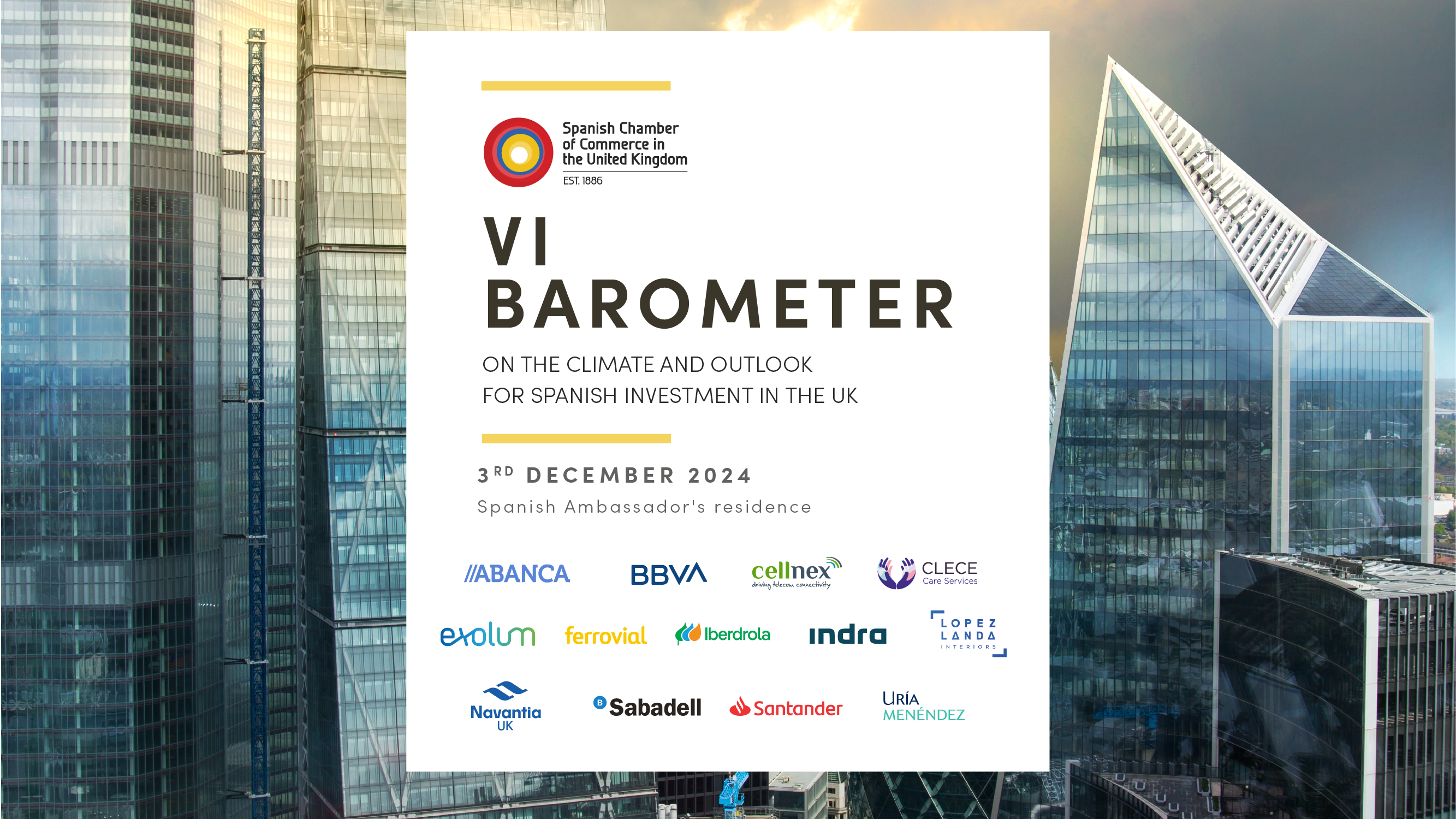
  • VI Barometer on the Climate and Outlook for Spanish Investment in the UK

    VI Barometer on the Climate and Outlook for Spanish Investment in the UK

    You can access the VI Barometer on Climate and Outlook for Spanish Investment in the UK via this link.

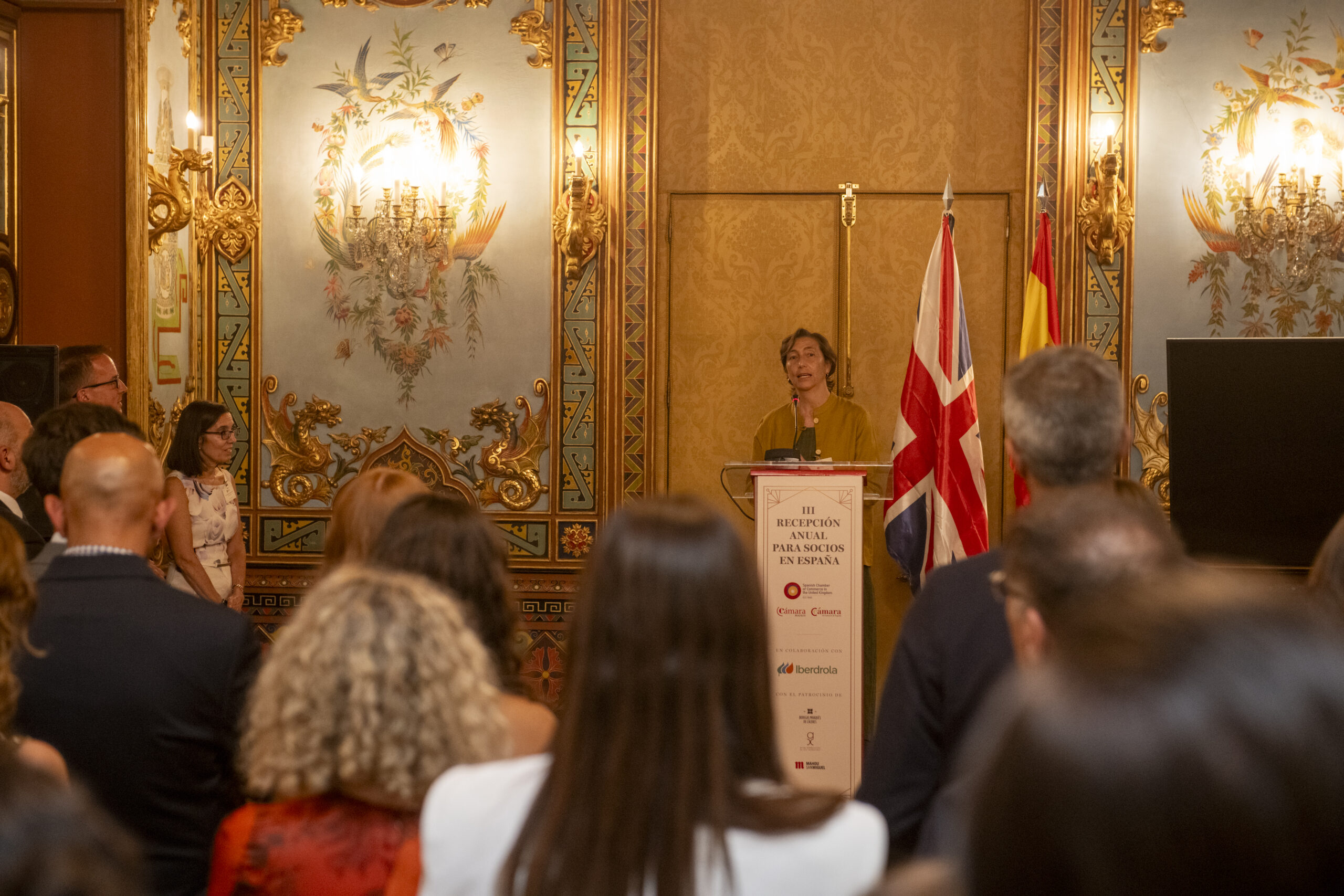
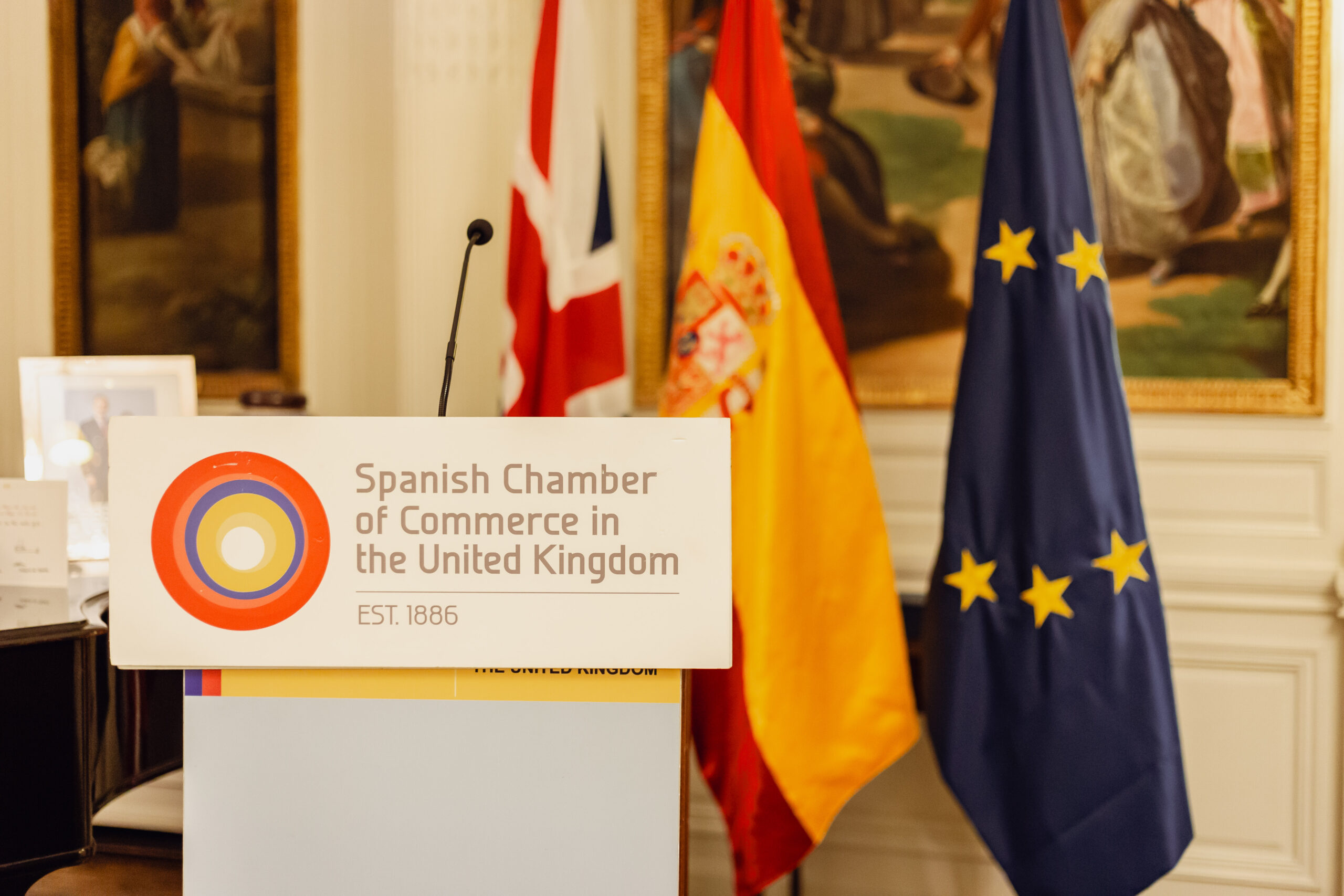
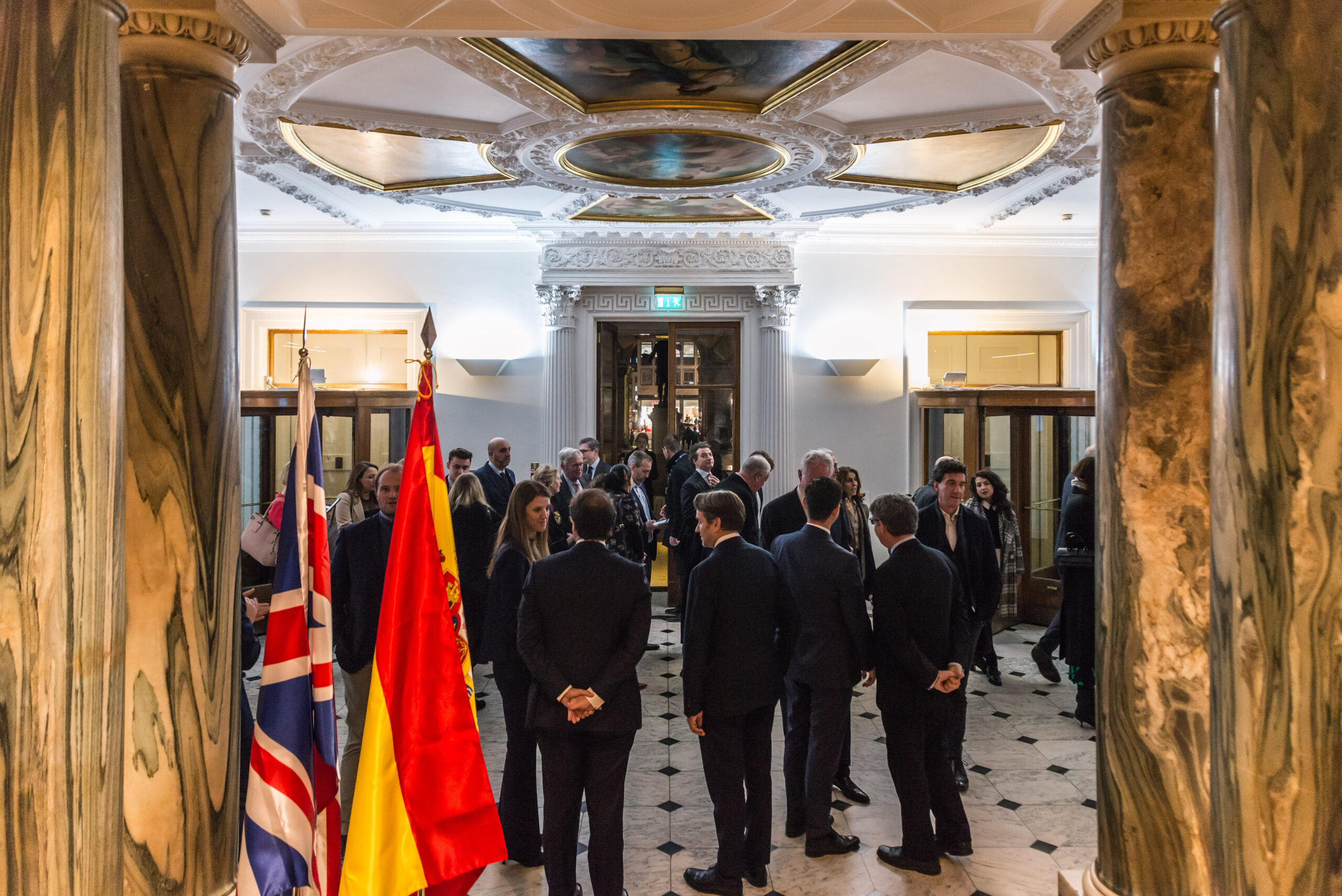
    The Spanish Chamber of Commerce in the United Kingdom has today presented the sixth edition of the ‘Barometer on the Climate and Outlook for Spanish Investment in the UK’. The event, held at the Residence of the Spanish Ambassador in London, served as a meeting point for representatives from both the public and private sectors of both countries.  

    The Spanish Ambassador to the UK, H.E. Mr. José Pascual Marco, opened the presentation of this sixth edition, followed by the President of the Spanish Chamber of Commerce in the United Kingdom, Mr. Eduardo Barrachina. The event was also attended by the UK Minister of State for Business and Trade, Mr. Douglas Alexander MP, the Spanish Minister for Trade, Ms. Amparo López Senovilla, and the Earl of Kinnoull.  

    The roundtables were moderated by Peter Foster, Public Policy Editor at the Financial Times. These technical disccussions involved: Ms. Beatriz Casares Echenique (BBVA), Ms. Yufan Cai (EXOLUM), Mr. José Jacinto Monge Bravo (INDRA), Mr. Brian Magson (Sabadell UK), Ms. Hazel Gulliver (Scottish Power), Mr. Juan Carlos Machuca (Uría Menéndez), Mr. Gonzalo García Andrés, (Oficina Económica y Comercial de España en el Reino Unido), and Ms. Cathryn Law (Department for Business & Trade).  

    The presentation also included the participation of Mr. José Manuel Amor, Board Member and Treasurer of the British Chamber of Commerce, and Ms. María Romero Paniagua, both Managing Partners at Analistas Financieros Internacionales (Afi). 

    An Essential Analytical Tool  

    This report, published by the Chamber since 2019, includes the most recent data available on Spanish investment in the United Kingdom, along with the perceptions of Spanish companies investing in the UK, collected through a survey of over 100 companies operating in the country. The Barometer has become a key tool for analysing Spanish investment in the UK, serving as an important document for investors, businesses, media, and analysts.  

    Key Findings of the Sixth Barometer  

    According to the sixth edition of the Barometer and the latest  official data available, in 2022 the United Kingdom accounted for 14.5% of Spain’s foreign direct investment (FDI) stock, amounting to €79.5 billion. The UK is the second-largest destination for Spanish investment, just behind the United States, which accounts for 14.9%.  

    Since records began in 1993, the United Kingdom has received more than €169 billion in Spanish direct investment. Despite the slowdown in investment following Brexit, the UK continues to be the primary destination for Spanish investment historically.  

    In terms of the impact of Spanish investment in the United Kingdom, in 2022 it contributed to the creation and maintenance of nearly 133,000 jobs, with 75,910 of those being direct jobs. This represents 0.4% of all jobs in the UK. This figure is an improvement on the 121,000 jobs associated with Spanish investment in 2021.  

    Regarding Spanish direct investment flows, official data confirms an increase in the first half of 2024, following the decline in 2023. Comparing the first half of 2023 with the same period in 2024, Spanish investment flows into the UK have increased twelvefold this year. By sector, the main recipients of Spanish investment in the first half of 2024 have been telecommunications, real estate, and air transport.  

    Spanish Companies’ Outlook  

    For the second consecutive year, the Spanish companies surveyed maintain a positive view of the business climate in the United Kingdom, with three out of four describing it as at least “acceptable.” When asked about the UK market, the companies highlighted the ease of digitalisation processes, with sustainability now added as a key focus in 2024. However, the quality of life was rated as the least positive aspect this year.  

    As for challenges, inflation remains the biggest issue for nearly half of the companies surveyed in 2024. In addition, the shortage of personnel has become a more prominent issue, with 36% of companies identifying it as their main challenge, 10 percentage points higher than in 2023.  

    Regarding expectations for the new Labour government, Spanish companies have identified two key priorities: relations between the UK and the European Union and UK labour market policies.  

    Looking ahead to 2025, business expectations for the next year are positive. More than half of the companies surveyed expect to increase their revenue, investments, and workforce in the UK. These investments, focused primarily on improving productivity (the goal of 40% of firms), will mainly target areas such as marketing, digitalisation, and recruitment. London and its metropolitan area will continue to be the primary focus for these initiatives. 

    Finally, it is worth noting that the vast majority (93%) of Spanish companies established in the United Kingdom consider the country to be a strategic market for their business.  

    The sixth edition of this report was supported by ABANCA, BBVA, Cellnex, Clece Care, Exolum, Ferrovial, Iberdrola, Indra, López Landa Interiors, Navantia, Banco Sabadell, Banco Santander, and Uría Menéndez.

    You can access the VI Barometer on Climate and Outlook for Spanish Investment in the UK via this link.

    You can access the last editions of the Barometer here.
  • Behind the scenes: how our Events Team brings Chamber events to life

    Behind the scenes: how our Events Team brings Chamber events to life

    Organising memorable events involves more than just securing a venue and creating a guest list: it requires meticulous planning, seamless coordination, and thoughtful follow-up. At the Chamber, we organise 50-60 events annually, and our Events Team works year-round to ensure every event runs smoothly from start to finish, delivering real value to our Members. At the heart of this effort is our Events Manager, Míriam Gimeno, whose expertise and commitment guarantee that every detail is expertly coordinated. 

    In this blog post, we’ll take you behind the scenes to explore the stages of our event planning process, from early preparation to post-event activities that help keep our Spanish-British business community connected. 

    The build-up: event planning and preparation 

    At the Chamber, our Events Team begins planning each event as early as possible, understanding that preparation is key to delivering high-quality experiences. For larger events, planning typically starts six months in advance, while smaller gatherings may require just a few weeks.  

    However, a three-month window is often ideal, as it provides ample time to establish a strategy, define the target audience, select the venue, and coordinate promotional efforts. This timeline also helps identify potential conflicts, such as holidays or competing events, and gives the Team the opportunity to brainstorm collaboratively for a well-rounded approach. 

    When selecting a venue, our Events Team considers factors like guest numbers, event style, purpose, budget, and rapport with venue providers. Gut feeling plays a role in choosing the right location, with a focus on ensuring the venue’s atmosphere matches the event’s goals. Early in-person visits are essential as they help confirm that the venue suits both the ambiance and logistics. 

    The choice of menu and sponsors is tailored to the event’s nature and purpose. For example, a formal gala requires a different menu than a casual brunch. In some cases, food is a central element; in others, it serves as a complement. Our Team partners with top-tier sponsors to ensure that every detail meets the event’s standards and provides an exceptional experience for attendees. 

    Timing is also crucial when sending invitations. Typically sent five weeks before the event, or two months for larger gatherings, this allows guests ample time to plan while keeping the event at the forefront of their minds. 

    From preparation to execution: effective communication and coordination 

    Our Events Team ensures smooth communication and coordination at every stage of an event. They collaborate closely with our Trade Department to align on target audiences and our Communications Department to promote the event through a strategic communications plan. 

    The Team begins by reaching out to potential attendees early on and follows up individually to address specific needs.  

    When managing external speakers or special guests, the Events Team prepares in advance with initial meetings to align on content and expectations. As the event approaches, follow-up meetings ensure any last-minute details are covered.  

    On the day of the event, the Team, led by our Events Manager Míriam Gimeno, oversees all logistics to ensure the event runs as planned. They monitor team progress, quickly resolve issues, and maintain smooth operations. A clear, concise running order is shared with the Team, and pre-event meetings ensure everyone is aligned with their roles and responsibilities.  

    Wrapping up: the post-event process 

    After each event, our Events and Communications Teams focus on gathering valuable feedback and ensuring effective post-event communication. Feedback is collected both informally, through direct conversations with attendees, and more formally, via surveys. This combination of methods provides the Team with actionable insights to improve future events. 

    In terms of post-event communications, the Communications Team acts quickly to share highlights and follow-up content. The Team prioritises sharing pictures, videos, and other materials as soon as possible on our communication channels. Timing is crucial here: sharing content promptly helps keep the event fresh in attendees’ minds and boosts social media awareness. 

    Post written by Sophie Ziliukas

  • The Spanish Chamber: an opportunity to increase your visibility among the Spanish-British business community

    The Spanish Chamber: an opportunity to increase your visibility among the Spanish-British business community

    At the Spanish Chamber of Commerce in the UK, we provide a range of communication tools and services to help our Members enhance brand and product visibility by reaching a targeted audience. Our official status boosts the visibility of our Member companies, reaching an audience across Spain and the United Kingdom. The Chamber’s Team is dedicated to increasing your brand visibility, expanding your network, and maximising your market impact to help grow your business. 


    Social Media 

    Through the Chamber’s LinkedIn, Instagram, and X accounts, we regularly promote our Members’ news, products, and events. Our diverse audience and strong following across all social media platforms enhance our outreach. On LinkedIn alone, we have nearly 9,000 followers!  

    Additionally, many of our events are recorded and uploaded to our YouTube channel, and event sponsors receive product and brand visibility in all our professional videos. Finally, we have a collection of professional photographs from all our key events on our Flickr page, which attendees are welcome to share on their social media accounts. 


    Newsletter 

    Our popular biweekly newsletter keeps you informed with the latest news from the Chamber and upcoming events for Members. You’ll also find essential updates from our network, including new Members, Member-hosted events, and exclusive Member-to-Member offers. Plus, enjoy highlights from our latest YouTube videos and blog posts!  

    Members can further boost their visibility by promoting their businesses, brands, or products with a customised banner in our newsletter for free. Our newsletter now reaches over 4,000 subscribers in both Spain and the UK. You can subscribe to our newsletter here.  


    Blog 

    The Chamber’s blog features current topics, the latest business trends and expert insights from our Team and Members. Patrons and Benefactors of the Chamber have the opportunity to contribute their own articles on business, trade or company news to our blog free of charge. We will credit your company and include a link to your profile on the Chamber’s Member Directory to boost engagement. 


    Annual Report 

    In addition to advertising through the Chamber’s social media, newsletter and blog, we also offer both Members and non-Members the opportunity to promote their company, news, and events with a paid advertisement in our Annual Report. This includes showcasing your company in our Annual Report, with physical copies distributed at over 50 events throughout the year and a digital version available on our website and social media channels.  


    Additional options 

    For interested companies who are non-Members, the Chamber can provide a range of advertising packages designed to help you reach an engaged audience within the Spanish-British business community.  


    Post written by Sophie Ziliukas

  • How to apply for Spanish citizenship under the “Grandchildren Law”

    How to apply for Spanish citizenship under the “Grandchildren Law”

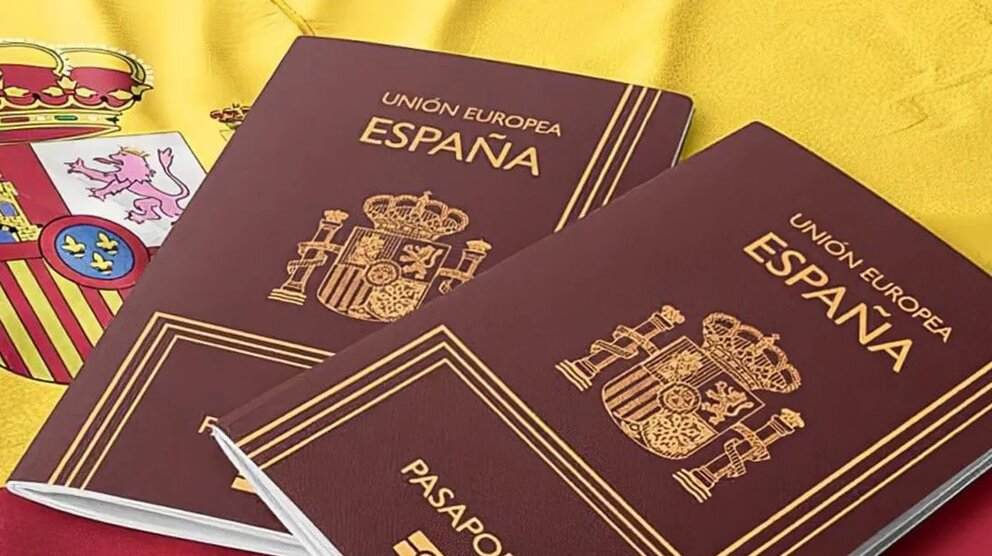
    Our Member Scornik Gerstein LLP has written a post for the Chamber’s blog which discusses the Spanish Grandchildren Law, formally known as the Ley de Memoria Democrática. This law allows children and grandchildren of original Spanish nationals to apply for Spanish citizenship without residing in Spain or taking an exam. The post outlines the eligibility criteria for applicants, the application process, and the approaching deadline for submissions. 

    Blog post written by Scornik Gerstein LLP, Member of the Chamber

    How to apply for Spanish citizenship under the “Grandchildren Law”: deadline extended until October 2025

    Are you the child or grandchild of a Spanish national? If so, you may be eligible to apply for Spanish nationality without needing to reside in Spain or pass any exam. However, please take into account that there is a new upcoming application deadline. 

    The Ley de Memoria Democrática, widely known as the Spanish Grandchildren Law, enables children and grandchildren of original Spanish nationals to apply for Spanish nationality. This law came into effect on 21 October 2022, with an initial period of two years for applications. 

    Recently, the Spanish Government extended the deadline by an additional year, but they have stated explicitly that no further extensions will be granted. This means that those eligible under the law now have until 21 October 2025 to submit their applications. 

    Applications must be submitted to the Spanish Consulate corresponding to the applicant’s place of residence, and they must be received no later than 21 October 2025, when the application window will close, and this opportunity will no longer be available. 

    It is essential to apply before the deadline to take advantage of this legal process for acquiring Spanish nationality without the need to reside in Spain or renounce your current nationality 

    Who is eligible to apply for Spanish Nationality under the Grandchildren Law? 

    • Children and grandchildren of a Spanish mother, father, or grandparent who are considered, under Spanish law, to be originally Spanish. 
    • Sons and daughters of Spanish nationals whose nationality of origin was recognised through the right of option under the Historical Memory Law (Seventh Additional Provision of Law 52/2007, dated 26 December) or under the current Democratic Memory Law. 
    • Individuals born outside Spain to Spanish mothers who lost their Spanish nationality by marrying a foreign citizen before the 1978 Spanish Constitution came into effect. 

    Chamber Member Scornik Gerstein LLP has successfully assisted many descendants of Spanish nationals in reclaiming their Spanish nationality under this law. If you would like to assess your eligibility, please contact our Member at your earliest convenience through the Member Directory on our website. 

    Our Member strongly recommends acting as soon as possible, as gathering the required documentation in accordance with the Grandchildren Law can be a complex and time-consuming process. 

  • UK short-term business visitors and tax – what do I need to know?

    UK short-term business visitors and tax – what do I need to know?

    In this post written for the Chamber’s blog, our Member Moore Kingston Smith examines the tax implications of UK short-term business visitors and the challenges they pose for both companies and employees. They offer practical solutions, explain how these rules apply, and outline steps your company can take to streamline the process. 

    Blog post written by Moore Kingston Smith, Member of the Chamber

    UK short-term business visitors and tax – what do I need to know? 

    Tax authorities worldwide, looking to increase revenue, are focusing on people travelling for work. Immigration and tax are increasingly coordinated, and countries exchanging information is now commonplace. 

    What is short-term business visitors tax? 

    In the UK, the default income tax position for an employee visiting the UK for work purposes from another group company operating overseas is that the UK entity must add them to UK payroll and withhold tax – even if it is for just one day. Many countries have similar rules regarding short-term business visitors. 

    This is burdensome for both the company and the individual. In addition to the UK payroll requirements for international employees, the individual is likely to have to file a tax return to claim the tax back under treaty if it is not due. 

    What is the solution? 

    Each country has its own set of rules and regulations. In the UK, an agreement with HMRC can be reached where a tax treaty between the UK and the foreign country exists, called a short-term business visitor arrangement. This enables treaty rules to be applied upfront, removing the need for payroll registration and tax return completion, if all conditions are met. 

    An application is made to HMRC in which the company agrees to track its employees’ international movements and supply the required information to HMRC in an annual report, due on 31 May after the tax year-end. 

    The amount and type of information reportable increases with the amount of time an individual spends in the UK. Once HMRC has agreed to the application, the company benefits from the simplified compliance of the HMRC short-term business visitor arrangement. 

    How will HMRC know you have business visitors? 

    HMRC regularly investigates international visitors during employer compliance checks and has increasing access to information about people travelling. 

    Technology has made it easier for countries to track people’s travel. For example, the EU is set to launch an entry-exit system on 10 November 2024. This will use digital photographs and fingerprints to register travellers from non-EU countries, including the UK, when they enter the EU. This applies to both short-stay visa holders and visa-exempt travellers. 

    It will be easy for authorities to check their records to determine legal compliance, including tax implications for short-term business visits. 

    How can Moore Kingston Smith help? 

    Please contact us to learn how your company can benefit from a short-term business visitor arrangement, how to apply, what information is needed, and how to file the annual report.

  • Why is changing a Voice Biometric supplier an opportunity and not a risk?

    Why is changing a Voice Biometric supplier an opportunity and not a risk?

    In their latest blog post, Veridas, Patron of the Chamber, encourages businesses to upgrade their voice biometrics providers. With a focus on enhanced security, cost savings, and improved customer experience, Veridas explains why changing voice biometric supplier is an opportunity rather than a risk. As a global leader in the identity industry, Veridas provides innovative solutions for companies looking for a reliable expert in the field. 

    Blog post written by Veridas, Patron of the Chamber 

    Veridas, a global leader in biometric identity solutions, announces a bold initiative encouraging businesses to upgrade their voice biometrics providers. In a context where major players are exiting the market, Veridas positions itself as the dedicated identity expert, offering several advantages. As security, cost optimisation, and customer experience become increasingly critical, Veridas invites businesses to switch to a specialised provider committed to delivering robust, innovative solutions.  

    Swift integration, multi-platform deployment, and rapid implementation 

    Traditional voice biometrics solutions often have lengthy integration processes, compatibility issues, and extended deployment times. In this context, the platform Veridas ECHO aims to disrupt this norm, providing a voice authentication system designed for quick, multi-channel integration across various platforms. This includes call centres, IVRs, mobile apps, virtual assistants, and social media apps like WhatsApp, Telegram, and Instagram. For businesses already working with platforms like Genesys, Veridas ECHO integrates directly, enabling seamless deployment in under four weeks and significantly reducing the time to full operational impact. 

    Veridas’ platform is adaptable and integrates with systems such as Genesys, Twilio, AVAYA, and Amazon Connect. This adaptability allows businesses to maintain control over deployment, whether through public clouds, private servers, or on-site data centres. Veridas emphasises that this is not a one-size-fits-all solution, but a customised approach designed to fit specific business needs and enhance overall security and performance. 

    “Voice biometrics reduces customer verification time by more than 95%. The average busy IVR time is 90 seconds with traditional methods, while it becomes 5 seconds with this solution,” says Héctor Estella, VolP Manager at Mutua Madrileña, highlighting the efficiency gains. 

    Veridas Voice Shield: protecting against fraud in real-time 

    Fraud remains a relentless threat, evolving with each technological advance. The platform Veridas Voice Shield detects deception swiftly, distinguishing between genuine and fraudulent voices within three seconds. This real-time defence works independently of language or text, requiring no prior enrolment or databases, allowing immediate protection with zero delays. 

    “Biometrics has become something our customers demand because of the perceived security it gives them. 65% of our customer acquisition is now digital”, states Natalia Ortega, Global Head of Financial Crime Prevention at BBVA, emphasising the technology’s role in building customer trust. 

    Veridas Voice Biometrics, another security platform, has three-second voice authentication, language and text independence, passive authentication, and advanced anti-spoofing capabilities. Its ultra-fast processing time of 150 milliseconds ensures seamless, secure interactions across all channels. These unique features deliver over 95% funnel efficiency, providing unmatched speed, security, and user experience in voice authentication.

    A strategic partner for long-term success 

    Veridas goes beyond technology implementation by partnering with clients to ensure ongoing optimisation and alignment with business objectives. Their expertise in biometrics, AI, and regulatory compliance positions them as a strategic ally in enhancing security. 

    “At Veridas, we don’t just provide technology—we set new standards for security and efficiency in voice biometrics. The future belongs to those who dare to change, and we are your strategic partner in turning every challenge into an opportunity. Our solutions don’t just adapt—they lead, empowering our clients to redefine their digital landscape with confidence. Change with us, and you’ll not just keep up—you’ll set the pace,” said Eduardo Azanza, CEO of Veridas.  

  • Expanding horizons: Opportunities for UK businesses in Spain

    Expanding horizons: Opportunities for UK businesses in Spain

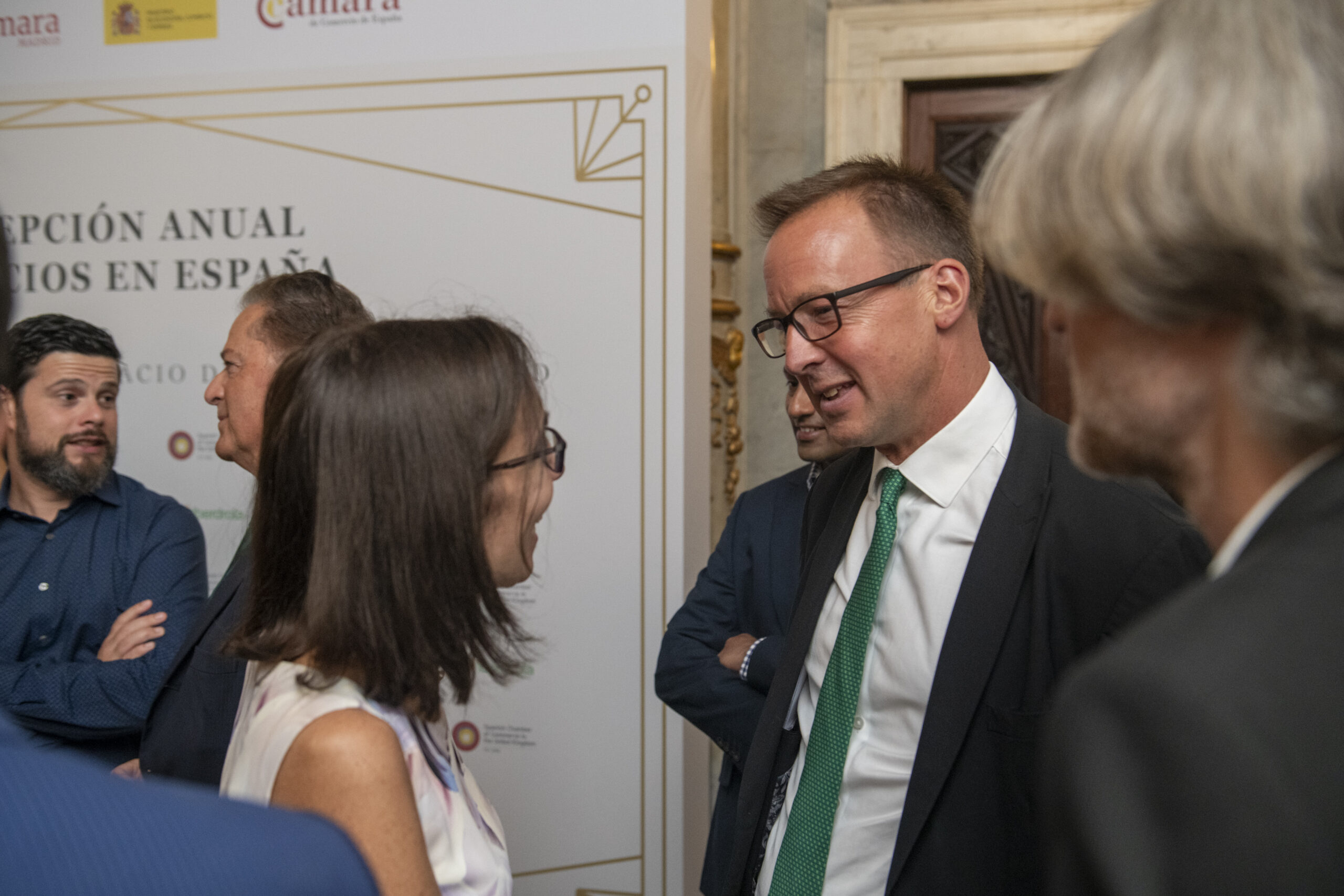
    The Chamber’s Vice President, Mónica Fernández-Mejuto, and His Majesty’s Trade Commissioner, Mr. Chris Barton, at the III Annual Business Cocktail in Madrid. This event played a pivotal role in strengthening the relationship between the two countries.


    Spain is one of the biggest consumer markets in the European Union and one of the top 10 trading partners for the UK. Therefore, it presents an array of opportunities for UK companies looking to expand their business. As we delve into the historical relationship between the two countries and the potential of this partnership, it’s clear that the UK-Spain connection is not just historical; it is a gateway to future growth and innovation. 

    A commercial relationship established in 1494 

    For many centuries, Spain and the United Kingdom have maintained strong business relationships. In fact, Spain was one of the first countries to assign a permanent ambassador to the UK when King Ferdinand, Fernando el Católico, appointed a diplomatic representative to the Court of St. James in 1494. In addition, prior to Brexit, both countries formed part of the European Union for many years, sharing common values and systems. The historical ties between the UK and Spain, combined with the geographical proximity, highly developed market economy and the vibrant tourism, make trading between the two nations an opportunity not to be missed.   

    In addition, Spain serves as a crucial gateway to America, where Spanish is widely spoken, and many leading Spanish companies have substantial operations. This linguistic and cultural connection offers invaluable opportunities for businesses seeking to expand into these markets. Furthermore, with only 22% of Spaniards speaking English as a second language, Spain’s role as a bridge to Spanish-speaking countries is an even greater asset for English-speaking businesses looking to tap into the vast potential of Latin America.  

    Alicia Varela, International Trade and Investment Director at the Spanish Ministry of Economy and Business, speaking at the same event, which united the Spanish and British business community and strengthened relationships between companies.
    Alicia Varela, International Trade and Investment Director at the Spanish Ministry of Economy and Business, speaking at the same event, which united the Spanish and British business community and strengthened relationships between companies.


    Unlocking opportunities: foreign investment in Spain 

    When it comes to foreign investment, the United Kingdom ranks as the second-largest investor in Spain, contributing 17.8% of total foreign investments in 2022. This high level of investment underscores the strong economic ties between the two countries and reflects the confidence UK investors place in Spain’s robust market.  

    Spain’s dynamic and diverse economy offers a wealth of opportunities for British companies across various sectors. Notably, Spain is a global leader in renewable energy, excelling both technologically and industrially. The country’s significant potential for solar and wind farms is particularly attractive, given the growing global demand for clean energy solutions. Investing in these areas not only helps meet sustainability goals but also capitalises on Spain’s ideal climate and cutting-edge expertise, making it a strategic choice for companies looking to lead in the green energy revolution.  

    Life sciences is also a thriving sector, with Spain ranking as the 9th largest pharmaceutical market globally. In addition, Spain excels in digital connectivity, standing as one of the top performers within the European Union. It ranks third in the EU for overall connectivity and seventh in digital public services, both of which are well above the European average. This robust digital ecosystem, combined with its strong pharmaceutical market, makes Spain an attractive destination for investment and innovation in life sciences and technology.  

    The agri-food sector is a key driver of Spain’s economy, generating nearly €140 billion (£117 billion) in revenue and employing over 440,000 people, making it the nation’s largest manufacturing industry. Strong domestic demand and Spain’s strategic position as a leading exporter contribute to the sector’s success, broadening market reach and boosting revenue.  

    In summary, the longstanding historical ties, shared values, significant investment levels, thriving sectors, transition to a green economy, sophisticated consumer demand, and strategic geographic advantages make Spain an exceptional choice for business partnerships and investments with the United Kingdom.   

    The Team at the Spanish Chamber of Commerce is an expert on trade and business relations between Spain and the UK and, thanks to our network and expertise, we can help you navigate the market complexities and connect with the right partners for a successful entry into Spain. You can find the different services we offer here

    Post written by Candela Rodríguez Martín and Sophie Ziliukas 

  • Cultural differences in business: UK vs Spain

    Cultural differences in business: UK vs Spain

    When expanding a business across national borders there are many aspects to consider. Understanding commercial and operational barriers to entry, along with macroeconomic policy implications are key to successfully move a business into the UK. However, one important factor that is often overlooked is the cultural differences between countries. The ability to adapt to such differences is vital to ensure a successful expansion, and the Spanish Chamber will support you in doing so. 

    Mastering in-person communication

    Although geographically close, the UK and Spain have many key cultural differences when it comes to professional interactions in the workplace. Whether it’s communicating with colleagues in the office or meeting with a client in person, in the UK being overly polite and adopting a formal approach is at the heart of every interaction. In contrast, work relationships in Spain tend to be more relaxed and direct, taking a more friendly approach.  

    In the UK, upon meeting a new colleague or client the go-to greeting is a firm handshake and a formal introduction. In Spain, a handshake is considered normal and, in the past, two kisses on the cheek were also acceptable. However, it is worth noting that nowadays the latter greeting is no longer common in a professional setting. 

    Moreover, British people are less expressive and tend to hide their emotions at work. Avoiding direct confrontation is a top priority, and Brits are very cautious with choice of wording when speaking to colleagues or clients so not to offend the other person. For example, when giving negative feedback or rejecting an idea, Brits often won’t directly address the issue due to fear of causing offence. Their rejection is subtle, and responses are carefully formulated, often using positive language to mask negativity.  

    In contrast, Spaniards are far more direct, whether the response is positive or negative. This is not to be mistaken as rude or offensive, but simply understood as a cultural difference in which Spaniards are accustomed to a more open and expressive way of communicating. 

    Navigating online interaction in the workplace

    Whether it is an email or marketing, online communication in another language is arguably more difficult due to the lack of visual clues. Literal translations of text often lose their original meaning when changing the register and tone. In addition, common formalities and greetings are language specific which makes emailing foreign colleagues or clients difficult. 

    Building a sense of trust and authenticity is key when marketing a brand and it is common to use colloquial terms, however these are often the most difficult to translate. To maintain a company’s brand image, it is advisable to work with professionals, such as those from the Spanish Chamber of Commerce, using our expertise to ensure the underlying message does not get lost in translation. 

    British and Spanish holidays: similarities and differences

    The culture around holidays has its similarities and differences. Both the UK and Spain have three main holidays being Christmas, Easter and Summer. Although, that’s where the similarities end.  

    In schools and universities in the UK, both Christmas and Easter tend to be two weeks long compared to the much shorter Spanish timetable. The UK also has half term, which is a one-week school holiday in the middle of each term. This means that the summer holiday is shorter at typically only six weeks compared to the three months in Spain. Although these holidays refer specifically to the school calendar, a similar pattern can also be seen in the workplace where, for example, some companies have adopted a ‘Christmas shutdown’ that aligns with the school holidays. 

    This results in a more constant workload in the UK as opposed to the Spanish slow down during the summer months. However, it is important to note that during these extra weeks of holiday, in the UK it may be hard to reach people and set up meetings. This is similar to a British person wanting to set up a meeting on a Spanish national holiday. 

    Flexible working: UK vs Spain

    In an era where flexible working is becoming the norm rather than the exception, many industries in the UK and Spain have now permanently adopted hybrid/remote working. Moreover, a number of companies in both countries have also explored the possibility of moving to a four-day working week.  

    The former has proved to be highly popular in both countries, creating a better work-life balance and improving wellbeing among employees without impacting on company results. The four-day working week has been trialled in both the UK and Spain, with more and more companies in the UK jumping on board having reported an increase in productivity and positive feedback from employees regarding wellbeing. Since April, workers in the UK have had the right to request flexible working in their workplace and, more recently, the UK Prime Minister Keir Starmer has pledged to expand flexible working arrangements. However, in Spain, many businesses remain dubious about the shorter working week, although there are some companies which have put it into practice.  

    Being able to recognise and accommodate the cultural nuances between Spain and the UK is an important skill to acquire when working between the two countries. Learning social norms, etiquette, traditions and more takes plenty of time, which is often a challenge in the fast-paced world of business.  

    To help overcome this, the Spanish Chamber of Commerce adopts the British approach when it comes to communication, trade negotiation and marketing strategies, aiding in strengthening business relationships and helping companies to successfully establish themselves in the UK.

    Blog post written by Sophie Ziliukas, Kieran Naidoo and Laura Garrido.

  • On the hunt for some of the best Spanish croquetas in London

    On the hunt for some of the best Spanish croquetas in London

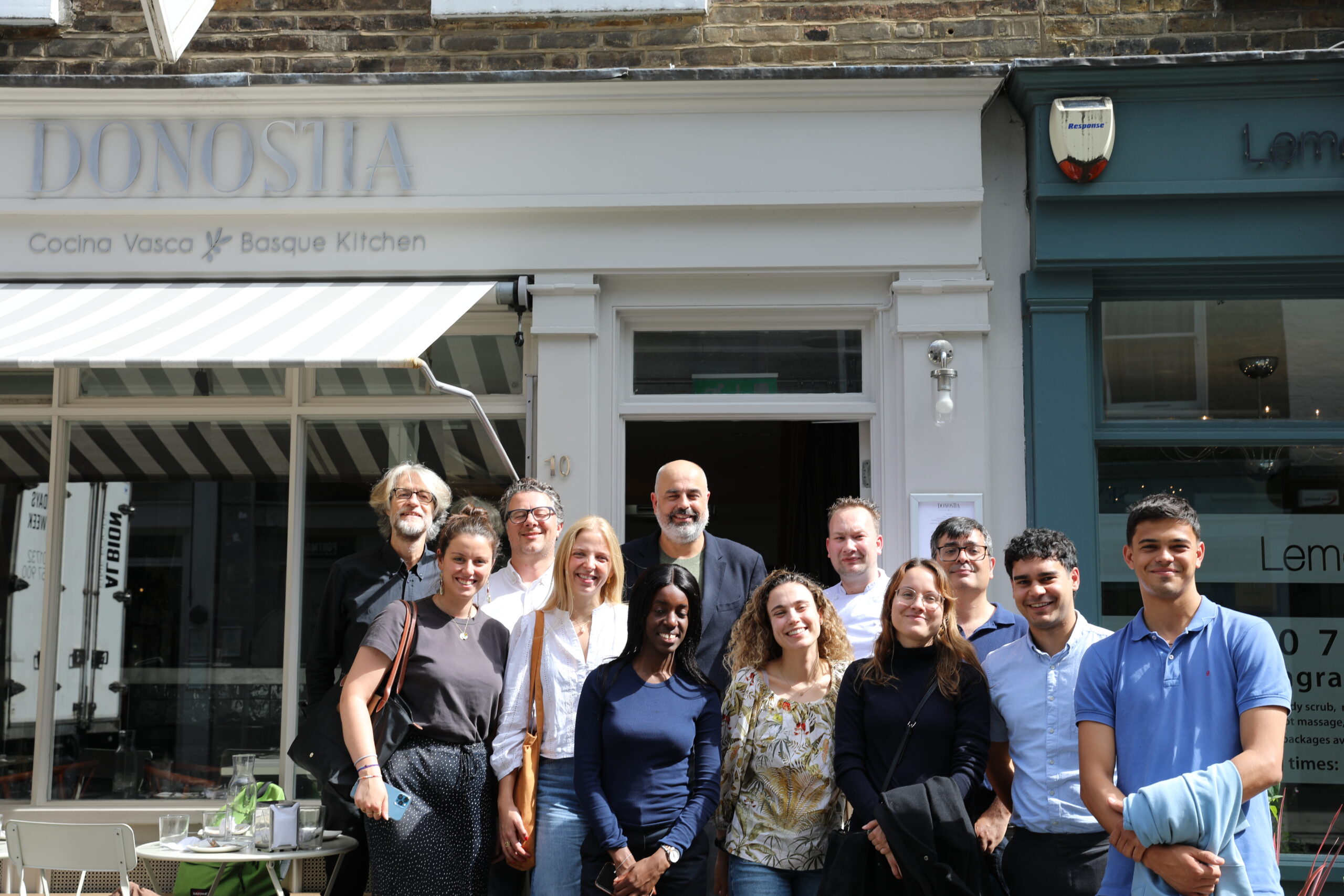
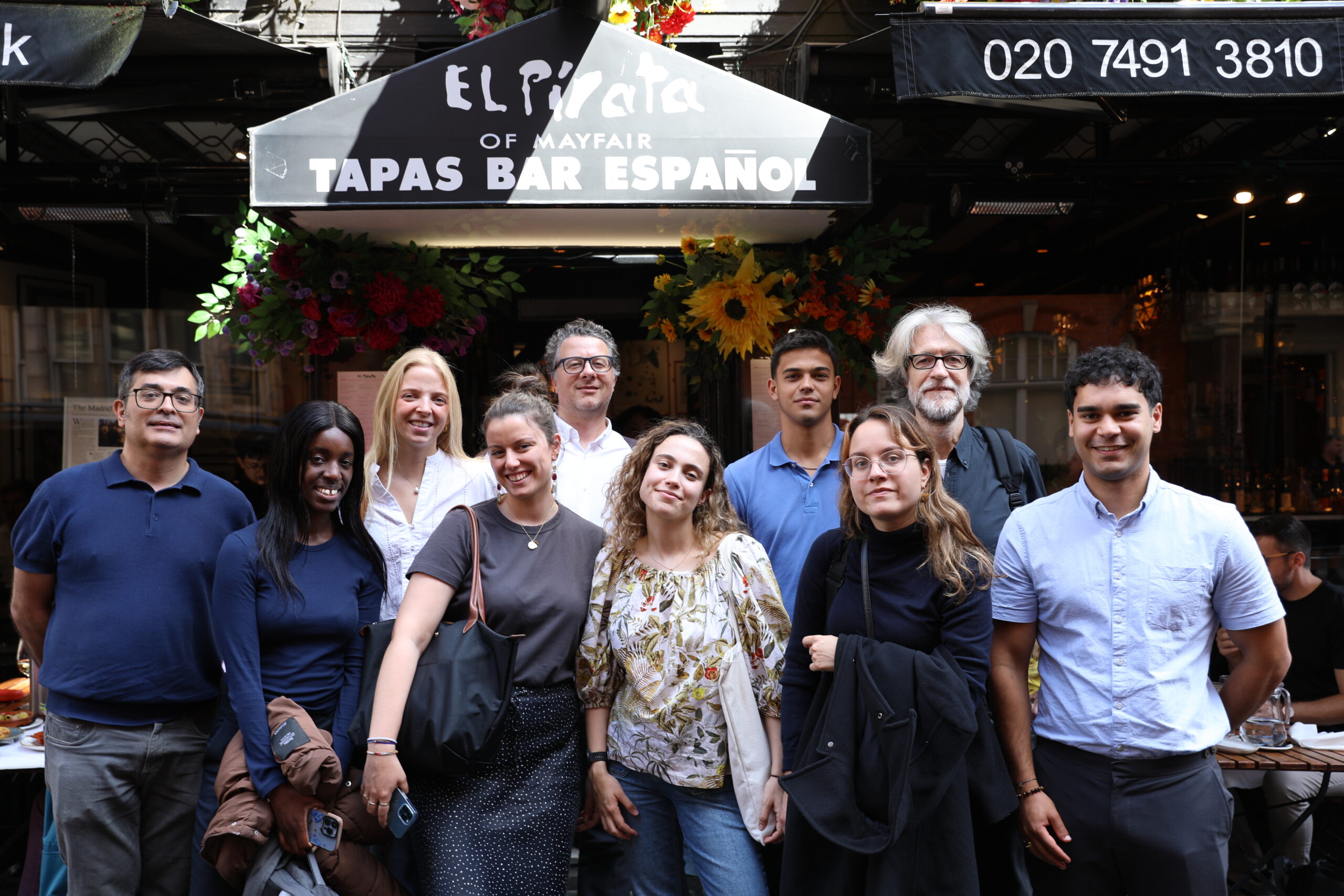
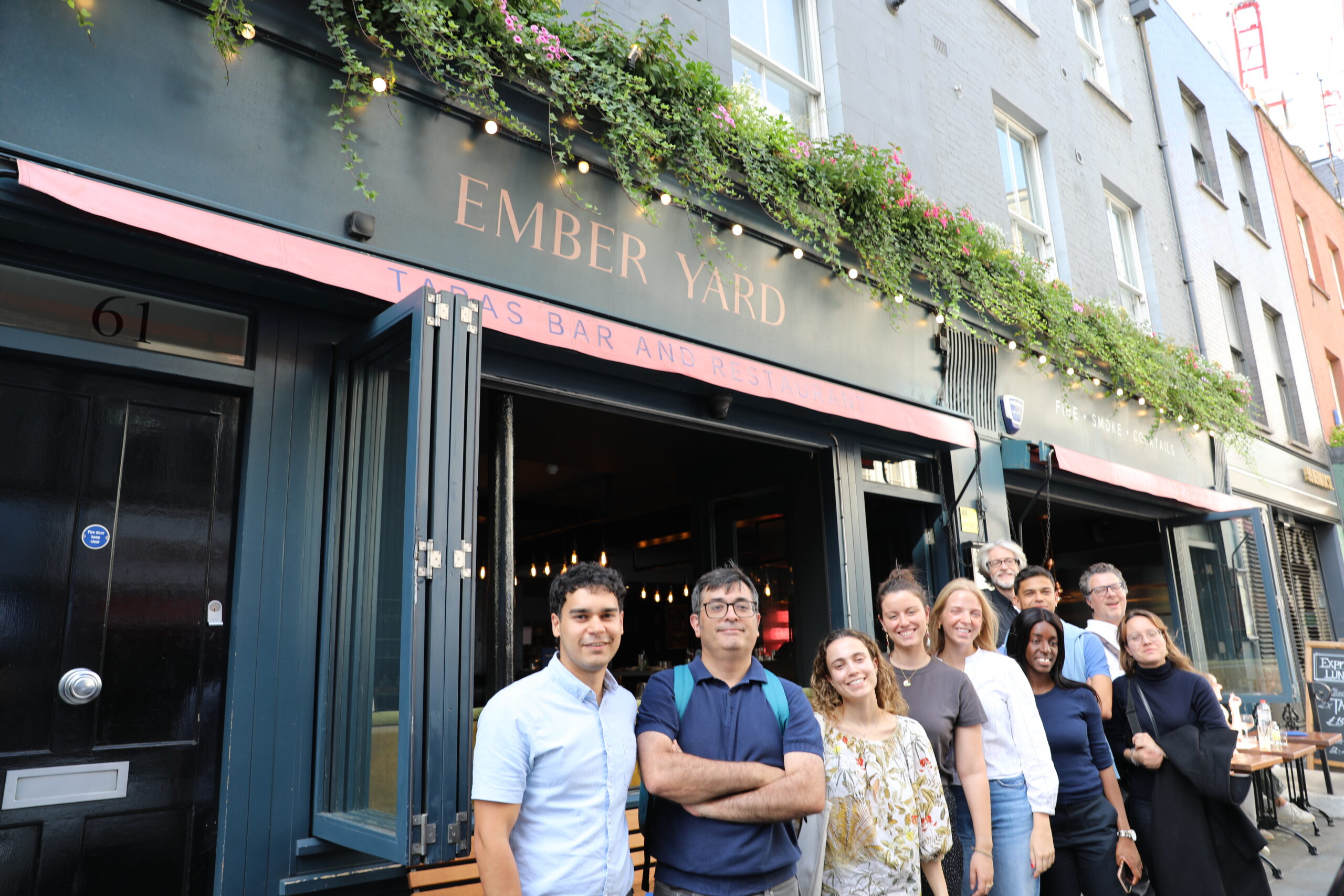
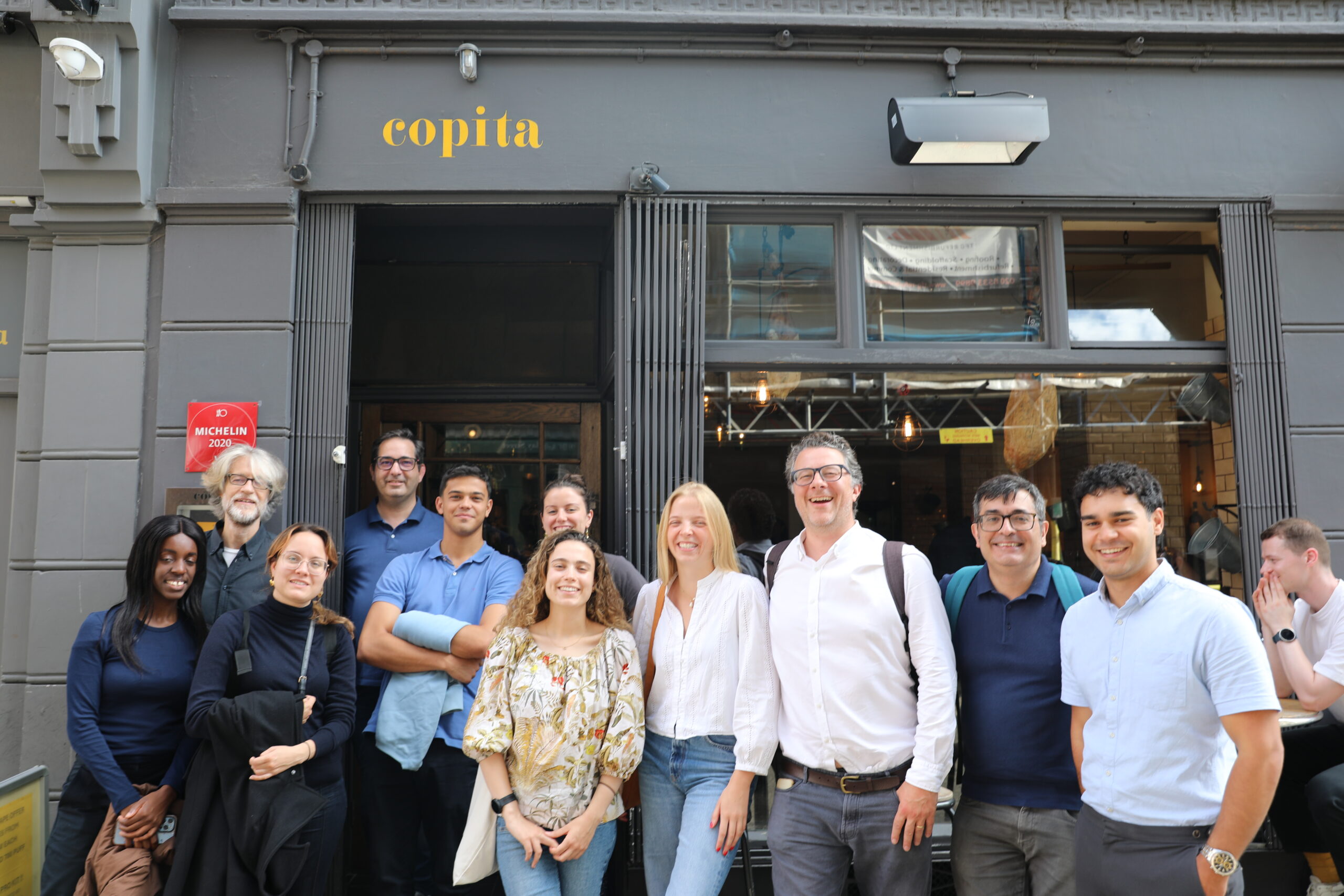
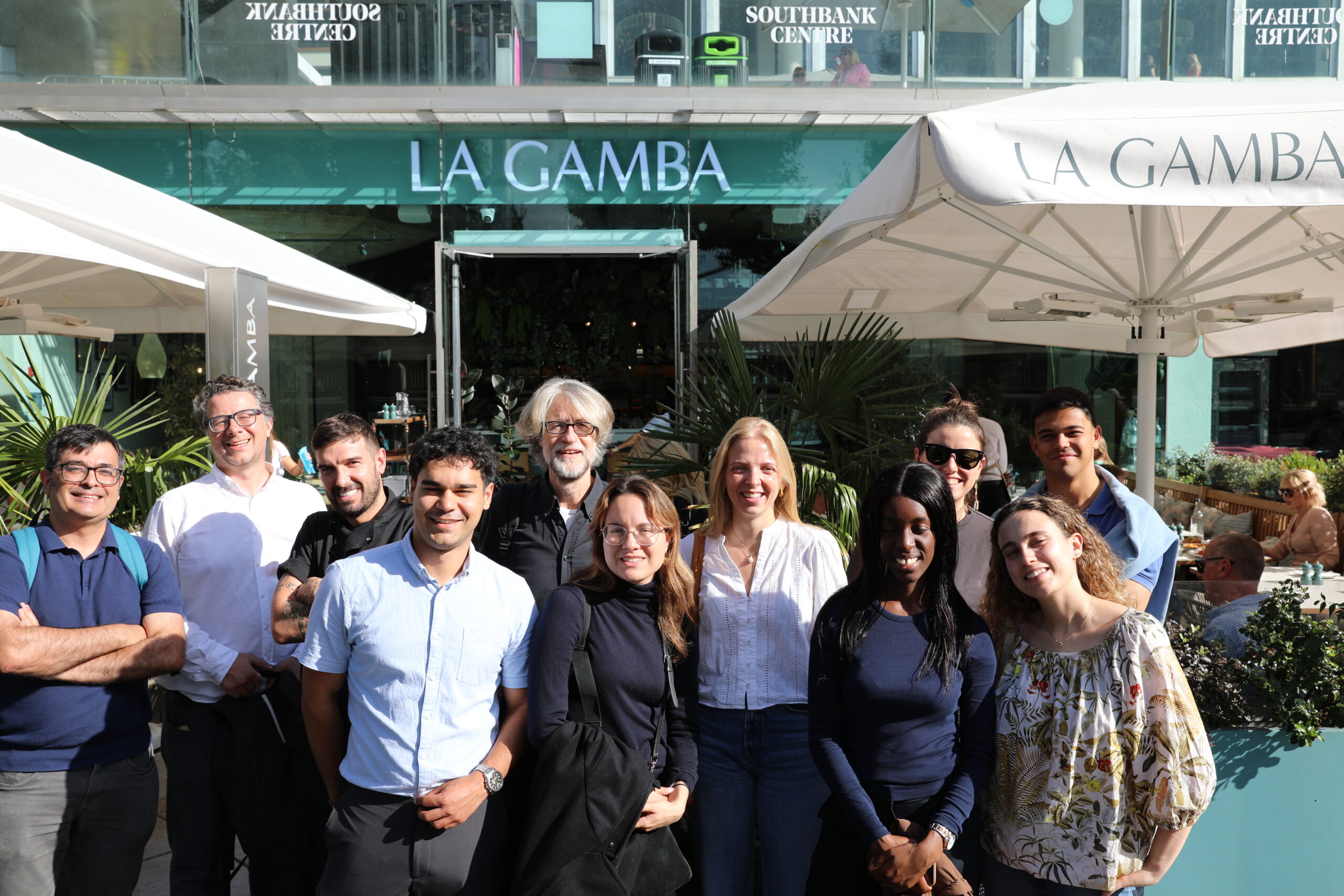
    For the third consecutive year, the Team from the Spanish Chamber of Commerce in the UK embarked on the much anticipated “III Croquetas Tour”. On a sunny day during the last week of August, the Chamber Staff visited five restaurants across London, tasting a variety of croquetas.  

    London is renowned for its international cuisine, including numerous Spanish restaurants where croquetas often feature as a key menu item—a classic traditional Spanish delicacy. A croqueta, or croquette in English, is a deep-fried roll typically filled with béchamel sauce and various ingredients, such as ham, seafood, chicken, or almost anything else. 

    DONOSTIA  

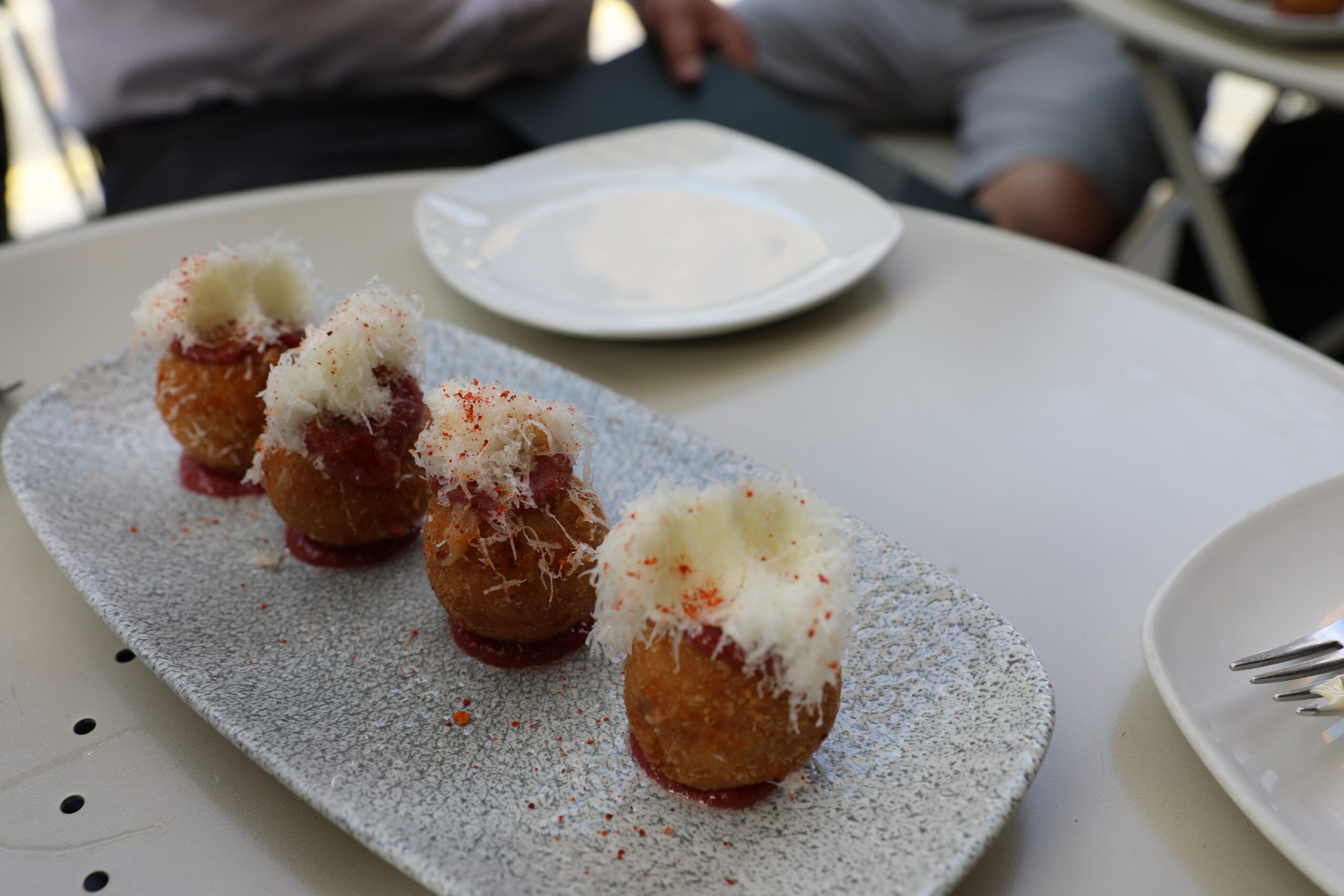
    Our first stop was Donostia, located less than 10 minutes on foot from our office, in the heart of Marylebone. Donostia, which is also the Basque name of the city of San Sebastián, serves Basque pintxos and tapas. We had the opportunity to try five different types of croquetas at their cosy terrace. Our Team was pleasantly surprised by the variety of flavours at this restaurant, which featured some of the most popular ingredients in Spanish cuisine.  

    We enjoyed the classic Ibérico ham croquetas, chorizo croquetas, and even one filled with an exceptional mix of cheese and dulce de membrillo— made with a fruit called quince in English and membrillo in Spanish.  We also tried their octopus croquetas and the very Basque txuleta croqueta, which is a premium cut of expertly grilled beef. 

    EL PIRATA 

    Next, we headed to El Pirata in Mayfair, where we had the chance to spend time in their charming basement—a space that exudes a Spanish traditional atmosphere. Our Team savoured the chicken croquetas, Ibérico ham croquetas, as well as the chipirón (squid) and mushroom options. The food was paired with very good wine; indeed, El Pirata has a cellar of more than 100 kinds, hailing from Spain and beyond. 

    EMBER YARD 

    Our third stop was Ember Yard, a hip and elegant venue in Soho, which brings the unforgettable flavours of traditional Spanish and Italian cuisine to London. Here, we tried the ham and Manchego cheese croqueta. Manchego is a cheese made from the milk of Manchega sheep, a distinctive breed raised in the vast fields of the La Mancha Region, in Central Spain. The cheese can be aged between 60 days and 2 years, and it is one of Spain’s most famous products worldwide.  

    COPITA 

    Then, we visited Copita, an authentic Spanish bar for “chatear”— this Spanish expression means “enjoying drinks, mostly wine, and small bites in a relaxed, setting”. We had the chance to try two varieties of croquetas: the first we tasted were filled with flavourful mushrooms, and the second kind were an interesting, very English spin on croquetas, as they were made with leek and cheddar cheese.  

    LA GAMBA 

    La Gamba, “the shrimp” in Spanish, located in the South Bank, was the final stop of our tour. After a pleasant walk through central London, we were ready to enjoy even more croquetas. We tasted the Cornish crab and squid ink croquetas, which were beautifully presented, along with the perfectly crisp Ibérico ham croquetas.  

    We enjoyed the croquetas with very good white and rosé wines, and to end on an even better note we tasted their Burnt Basque Cheesecake, a staple Spanish dessert. La Gamba boasted spacious and elegant interiors, designed by Cristina Lanz, and a terrace which overlooked the Thames River. Not to be missed! 

    All in all, it was a beautiful and above all, very flavourful occasion to enjoy some of the best high quality Spanish food central London has to offer. Next year we will undoubtedly come back for more in order to keep this tradition alive! Thanks to the restaurants that hosted us, and to the incredible Chamber Team who completed our III Croquetas Tour.  


    Blog post written by Andrea Minssart, Sophie Ziliukas and Laura Garrido.

  • Waves of innovation: navigating technological advances and new challenges

    Waves of innovation: navigating technological advances and new challenges

    Veridas, a Patron Member of the Spanish Chamber of Commerce in the UK, encourages us to keep in mind the challenges that come with new technologies. The company, specialised in digital identity verification, explores in this post how to address these challenges when working with AI.  

    BLOG POST WRITTEN BY JORDI TORRES, EMEA GENERAL MANAGER AT VERIDAS, PATRON MEMBER OF THE CHAMBER 

    With the end of summer on the horizon, many are taking the last opportunities to enjoy the beach, surf, or simply reflect on what’s to come. Just as surfing requires constant balance to stay upright, the current technological advancements demand careful management to reap their benefits without losing direction. 

    Milestones in the history of innovation 

    From the invention of money around 1500 B.C., to the creation of the mobile phone in 1973, and the arrival of the iPhone in 2007, the history of humanity has witnessed numerous waves of innovation. Recently, the launch of ChatGPT in 2022 marked a new chapter in this trajectory, positioning generative artificial intelligence as one of the most transformative forces of our time. 

    Each of these milestones has triggered significant changes in the way we live and work. Today, generative AI is shaping entire industries, redefining service personalization, operational automation, and data-driven decision-making. However, along with these advantages come new challenges that we cannot ignore. 

    The challenge of fraud in the era of generative AI 

    In the past year, we have seen an alarming increase in identity fraud, particularly regarding voice and face forgeries. Technologies like deepfakes allow voices and faces to be replicated with such precision that it becomes nearly impossible to discern the real from the fake. Between 2022 and 2023, cases of fake voices multiplied tenfold, underscoring the urgent need to improve our defences against such threats. 

    In the past, a person’s voice was a sure sign of authenticity. Today, technology allows for such convincing imitations that merely relying on what we hear is no longer sufficient to protect ourselves. 

    The relevance of AI in identity protection 

    Artificial intelligence is not just a technological trend; it has a tangible impact on our daily lives and the functioning of businesses. Biometric technologies, powered by AI, offer crucial tools to:

    • Enhance security: Through advanced identity verification measures, we can protect ourselves against the growing risk of fraud.
    • Personalise services: By tailoring services to the specific needs of each user, customer satisfaction and loyalty are increased.
    • Optimize efficiency: Automating routine tasks frees up time and resources for more strategic and value-added approaches. 

    Facing the future with security 

    While you read this article, dozens of fraud attempts are being carried out worldwide, using advanced technologies to impersonate identities. It is a reminder that while technological advances offer great opportunities, they also present significant risks that we must manage with caution. 

    In this dynamic environment, it is crucial to stay vigilant and adopt solutions that not only allow us to leverage new technologies but also ensure that our digital interactions are safe and trustworthy. The key is to find the right balance between innovation and protection, to avoid being swept away by the wave of fraud that threatens to destabilize our achievements. 

Este sitio web utiliza cookies para que usted tenga la mejor experiencia de usuario. Si continúa navegando está dando su consentimiento para la aceptación de las mencionadas cookies y la aceptación de nuestra política de cookies, pinche el enlace para mayor información.plugin cookies

ACEPTAR
Aviso de cookies