Category: News

  • Expanding horizons: Opportunities for UK businesses in Spain

    Expanding horizons: Opportunities for UK businesses in Spain

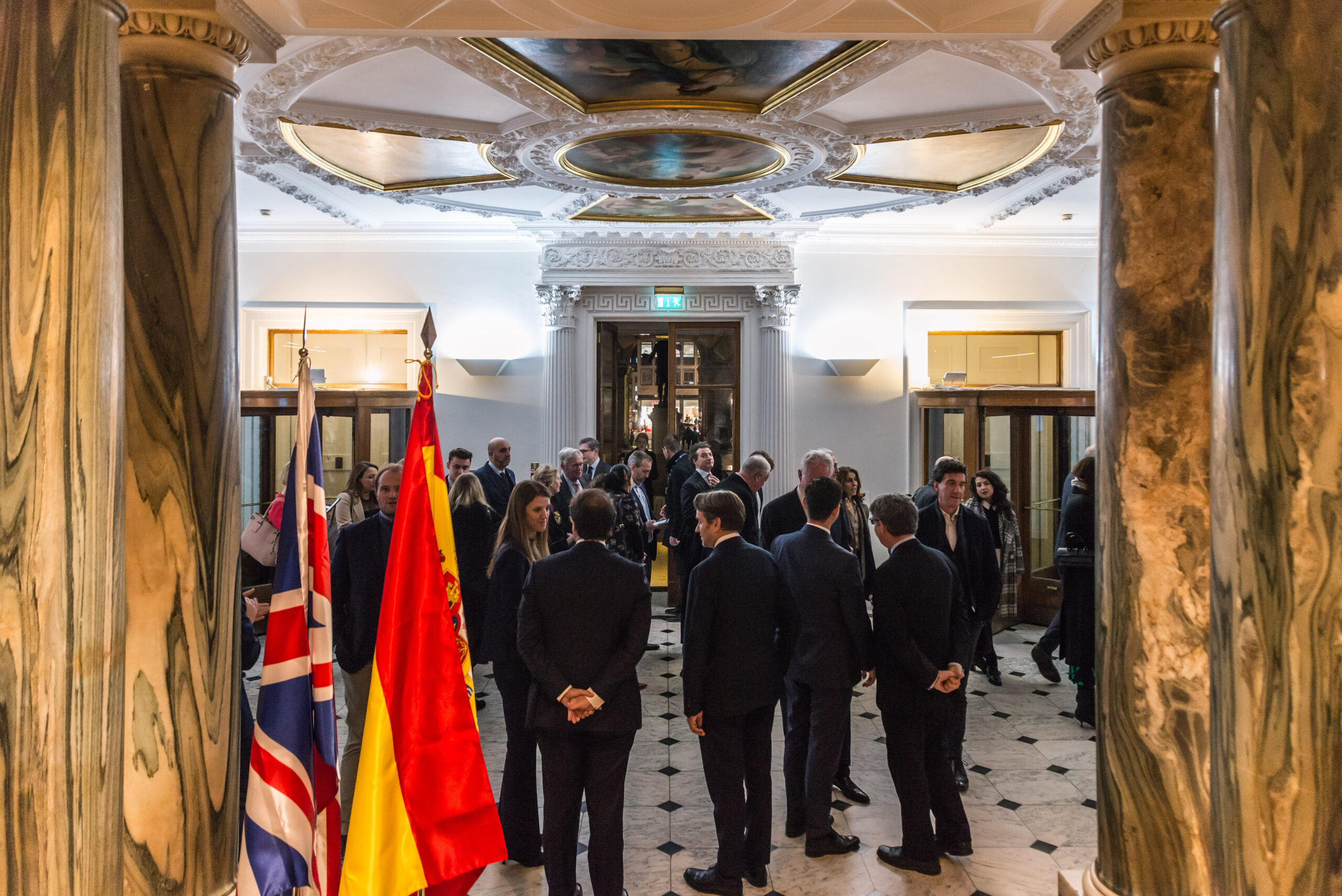
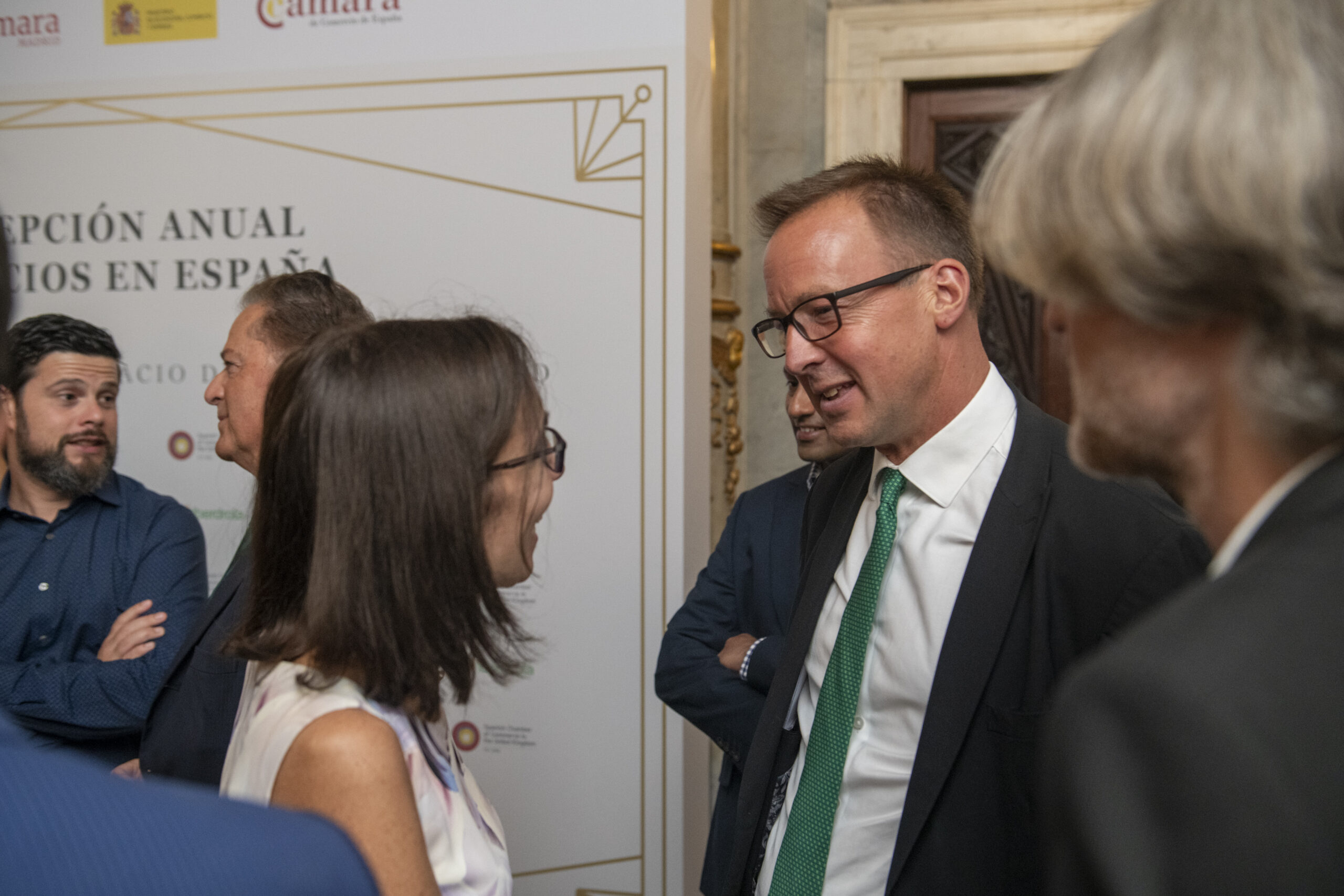
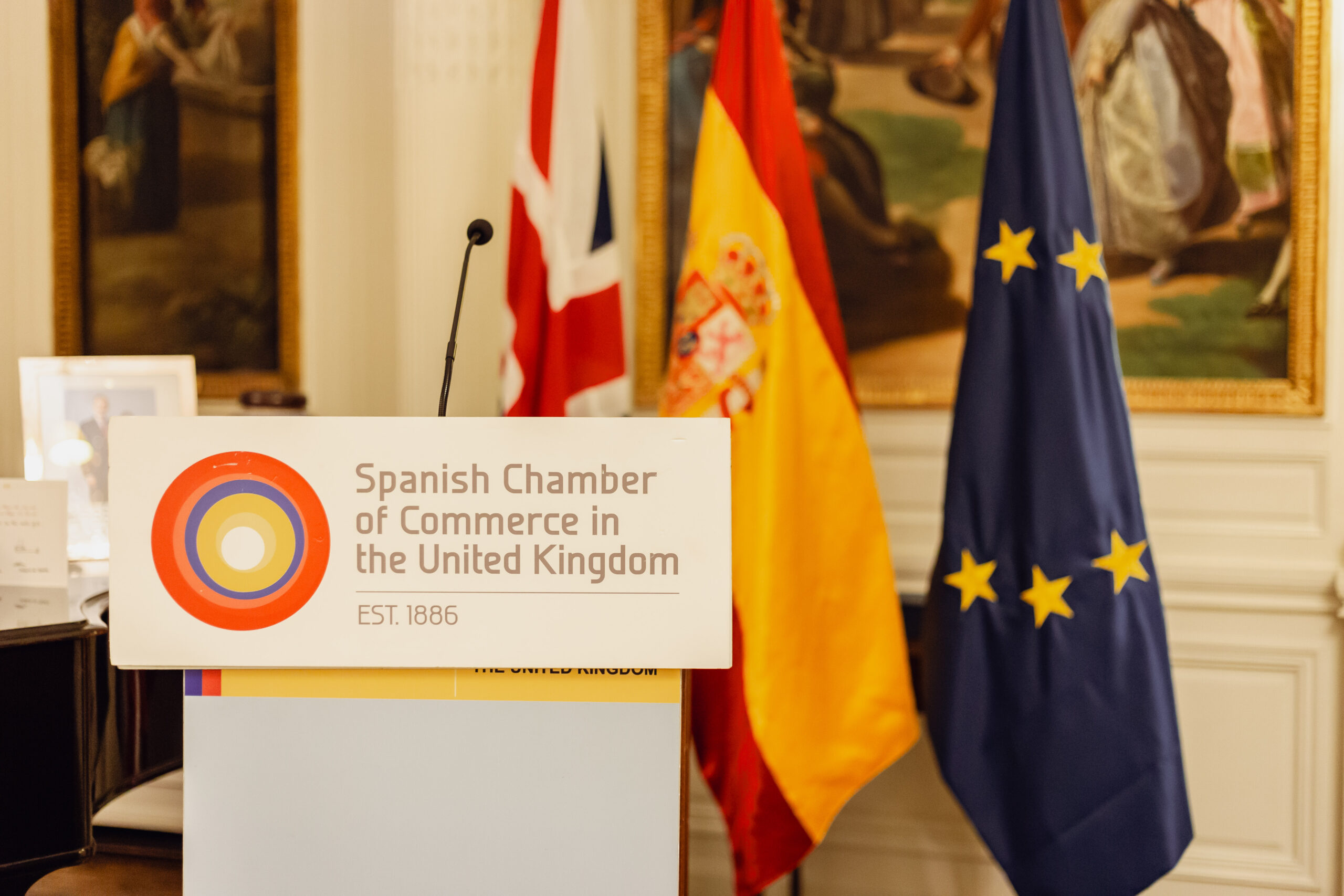
    The Chamber’s Vice President, Mónica Fernández-Mejuto, and His Majesty’s Trade Commissioner, Mr. Chris Barton, at the III Annual Business Cocktail in Madrid. This event played a pivotal role in strengthening the relationship between the two countries.


    Spain is one of the biggest consumer markets in the European Union and one of the top 10 trading partners for the UK. Therefore, it presents an array of opportunities for UK companies looking to expand their business. As we delve into the historical relationship between the two countries and the potential of this partnership, it’s clear that the UK-Spain connection is not just historical; it is a gateway to future growth and innovation. 

    A commercial relationship established in 1494 

    For many centuries, Spain and the United Kingdom have maintained strong business relationships. In fact, Spain was one of the first countries to assign a permanent ambassador to the UK when King Ferdinand, Fernando el Católico, appointed a diplomatic representative to the Court of St. James in 1494. In addition, prior to Brexit, both countries formed part of the European Union for many years, sharing common values and systems. The historical ties between the UK and Spain, combined with the geographical proximity, highly developed market economy and the vibrant tourism, make trading between the two nations an opportunity not to be missed.   

    In addition, Spain serves as a crucial gateway to America, where Spanish is widely spoken, and many leading Spanish companies have substantial operations. This linguistic and cultural connection offers invaluable opportunities for businesses seeking to expand into these markets. Furthermore, with only 22% of Spaniards speaking English as a second language, Spain’s role as a bridge to Spanish-speaking countries is an even greater asset for English-speaking businesses looking to tap into the vast potential of Latin America.  
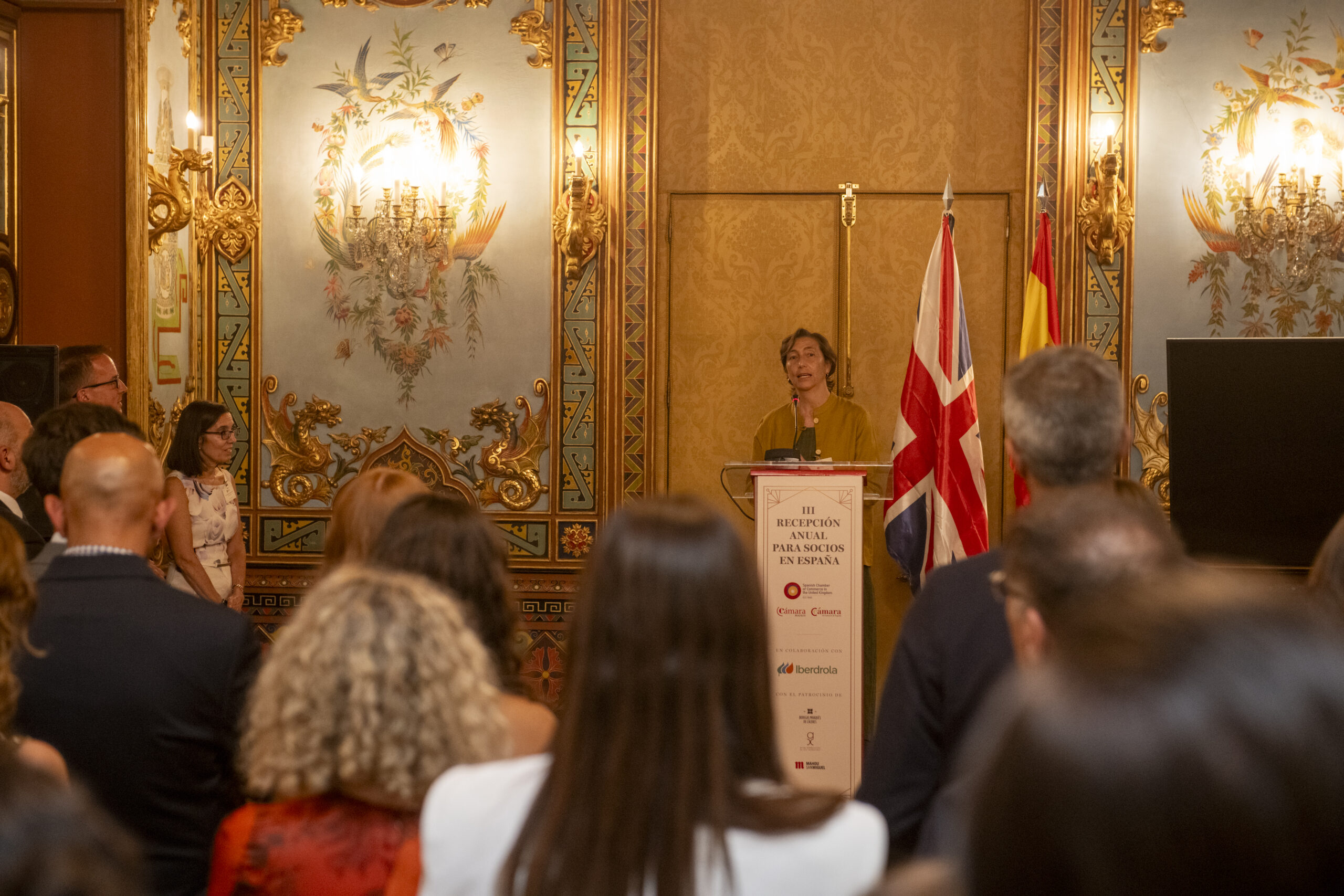
    Alicia Varela, International Trade and Investment Director at the Spanish Ministry of Economy and Business, speaking at the same event, which united the Spanish and British business community and strengthened relationships between companies.
    Alicia Varela, International Trade and Investment Director at the Spanish Ministry of Economy and Business, speaking at the same event, which united the Spanish and British business community and strengthened relationships between companies.


    Unlocking opportunities: foreign investment in Spain 

    When it comes to foreign investment, the United Kingdom ranks as the second-largest investor in Spain, contributing 17.8% of total foreign investments in 2022. This high level of investment underscores the strong economic ties between the two countries and reflects the confidence UK investors place in Spain’s robust market.  

    Spain’s dynamic and diverse economy offers a wealth of opportunities for British companies across various sectors. Notably, Spain is a global leader in renewable energy, excelling both technologically and industrially. The country’s significant potential for solar and wind farms is particularly attractive, given the growing global demand for clean energy solutions. Investing in these areas not only helps meet sustainability goals but also capitalises on Spain’s ideal climate and cutting-edge expertise, making it a strategic choice for companies looking to lead in the green energy revolution.  

    Life sciences is also a thriving sector, with Spain ranking as the 9th largest pharmaceutical market globally. In addition, Spain excels in digital connectivity, standing as one of the top performers within the European Union. It ranks third in the EU for overall connectivity and seventh in digital public services, both of which are well above the European average. This robust digital ecosystem, combined with its strong pharmaceutical market, makes Spain an attractive destination for investment and innovation in life sciences and technology.  

    The agri-food sector is a key driver of Spain’s economy, generating nearly €140 billion (£117 billion) in revenue and employing over 440,000 people, making it the nation’s largest manufacturing industry. Strong domestic demand and Spain’s strategic position as a leading exporter contribute to the sector’s success, broadening market reach and boosting revenue.  

    In summary, the longstanding historical ties, shared values, significant investment levels, thriving sectors, transition to a green economy, sophisticated consumer demand, and strategic geographic advantages make Spain an exceptional choice for business partnerships and investments with the United Kingdom.   

    The Team at the Spanish Chamber of Commerce is an expert on trade and business relations between Spain and the UK and, thanks to our network and expertise, we can help you navigate the market complexities and connect with the right partners for a successful entry into Spain. You can find the different services we offer here

    Post written by Candela Rodríguez Martín and Sophie Ziliukas 
  • Cultural differences in business: UK vs Spain

    Cultural differences in business: UK vs Spain

    When expanding a business across national borders there are many aspects to consider. Understanding commercial and operational barriers to entry, along with macroeconomic policy implications are key to successfully move a business into the UK. However, one important factor that is often overlooked is the cultural differences between countries. The ability to adapt to such differences is vital to ensure a successful expansion, and the Spanish Chamber will support you in doing so. 

    Mastering in-person communication

    Although geographically close, the UK and Spain have many key cultural differences when it comes to professional interactions in the workplace. Whether it’s communicating with colleagues in the office or meeting with a client in person, in the UK being overly polite and adopting a formal approach is at the heart of every interaction. In contrast, work relationships in Spain tend to be more relaxed and direct, taking a more friendly approach.  

    In the UK, upon meeting a new colleague or client the go-to greeting is a firm handshake and a formal introduction. In Spain, a handshake is considered normal and, in the past, two kisses on the cheek were also acceptable. However, it is worth noting that nowadays the latter greeting is no longer common in a professional setting. 

    Moreover, British people are less expressive and tend to hide their emotions at work. Avoiding direct confrontation is a top priority, and Brits are very cautious with choice of wording when speaking to colleagues or clients so not to offend the other person. For example, when giving negative feedback or rejecting an idea, Brits often won’t directly address the issue due to fear of causing offence. Their rejection is subtle, and responses are carefully formulated, often using positive language to mask negativity.  

    In contrast, Spaniards are far more direct, whether the response is positive or negative. This is not to be mistaken as rude or offensive, but simply understood as a cultural difference in which Spaniards are accustomed to a more open and expressive way of communicating. 

    Navigating online interaction in the workplace

    Whether it is an email or marketing, online communication in another language is arguably more difficult due to the lack of visual clues. Literal translations of text often lose their original meaning when changing the register and tone. In addition, common formalities and greetings are language specific which makes emailing foreign colleagues or clients difficult. 

    Building a sense of trust and authenticity is key when marketing a brand and it is common to use colloquial terms, however these are often the most difficult to translate. To maintain a company’s brand image, it is advisable to work with professionals, such as those from the Spanish Chamber of Commerce, using our expertise to ensure the underlying message does not get lost in translation. 

    British and Spanish holidays: similarities and differences

    The culture around holidays has its similarities and differences. Both the UK and Spain have three main holidays being Christmas, Easter and Summer. Although, that’s where the similarities end.  

    In schools and universities in the UK, both Christmas and Easter tend to be two weeks long compared to the much shorter Spanish timetable. The UK also has half term, which is a one-week school holiday in the middle of each term. This means that the summer holiday is shorter at typically only six weeks compared to the three months in Spain. Although these holidays refer specifically to the school calendar, a similar pattern can also be seen in the workplace where, for example, some companies have adopted a ‘Christmas shutdown’ that aligns with the school holidays. 

    This results in a more constant workload in the UK as opposed to the Spanish slow down during the summer months. However, it is important to note that during these extra weeks of holiday, in the UK it may be hard to reach people and set up meetings. This is similar to a British person wanting to set up a meeting on a Spanish national holiday. 

    Flexible working: UK vs Spain

    In an era where flexible working is becoming the norm rather than the exception, many industries in the UK and Spain have now permanently adopted hybrid/remote working. Moreover, a number of companies in both countries have also explored the possibility of moving to a four-day working week.  

    The former has proved to be highly popular in both countries, creating a better work-life balance and improving wellbeing among employees without impacting on company results. The four-day working week has been trialled in both the UK and Spain, with more and more companies in the UK jumping on board having reported an increase in productivity and positive feedback from employees regarding wellbeing. Since April, workers in the UK have had the right to request flexible working in their workplace and, more recently, the UK Prime Minister Keir Starmer has pledged to expand flexible working arrangements. However, in Spain, many businesses remain dubious about the shorter working week, although there are some companies which have put it into practice.  

    Being able to recognise and accommodate the cultural nuances between Spain and the UK is an important skill to acquire when working between the two countries. Learning social norms, etiquette, traditions and more takes plenty of time, which is often a challenge in the fast-paced world of business.  

    To help overcome this, the Spanish Chamber of Commerce adopts the British approach when it comes to communication, trade negotiation and marketing strategies, aiding in strengthening business relationships and helping companies to successfully establish themselves in the UK.

    Blog post written by Sophie Ziliukas, Kieran Naidoo and Laura Garrido.

  • On the hunt for some of the best Spanish croquetas in London

    On the hunt for some of the best Spanish croquetas in London

    For the third consecutive year, the Team from the Spanish Chamber of Commerce in the UK embarked on the much anticipated “III Croquetas Tour”. On a sunny day during the last week of August, the Chamber Staff visited five restaurants across London, tasting a variety of croquetas.  

    London is renowned for its international cuisine, including numerous Spanish restaurants where croquetas often feature as a key menu item—a classic traditional Spanish delicacy. A croqueta, or croquette in English, is a deep-fried roll typically filled with béchamel sauce and various ingredients, such as ham, seafood, chicken, or almost anything else. 

    DONOSTIA  

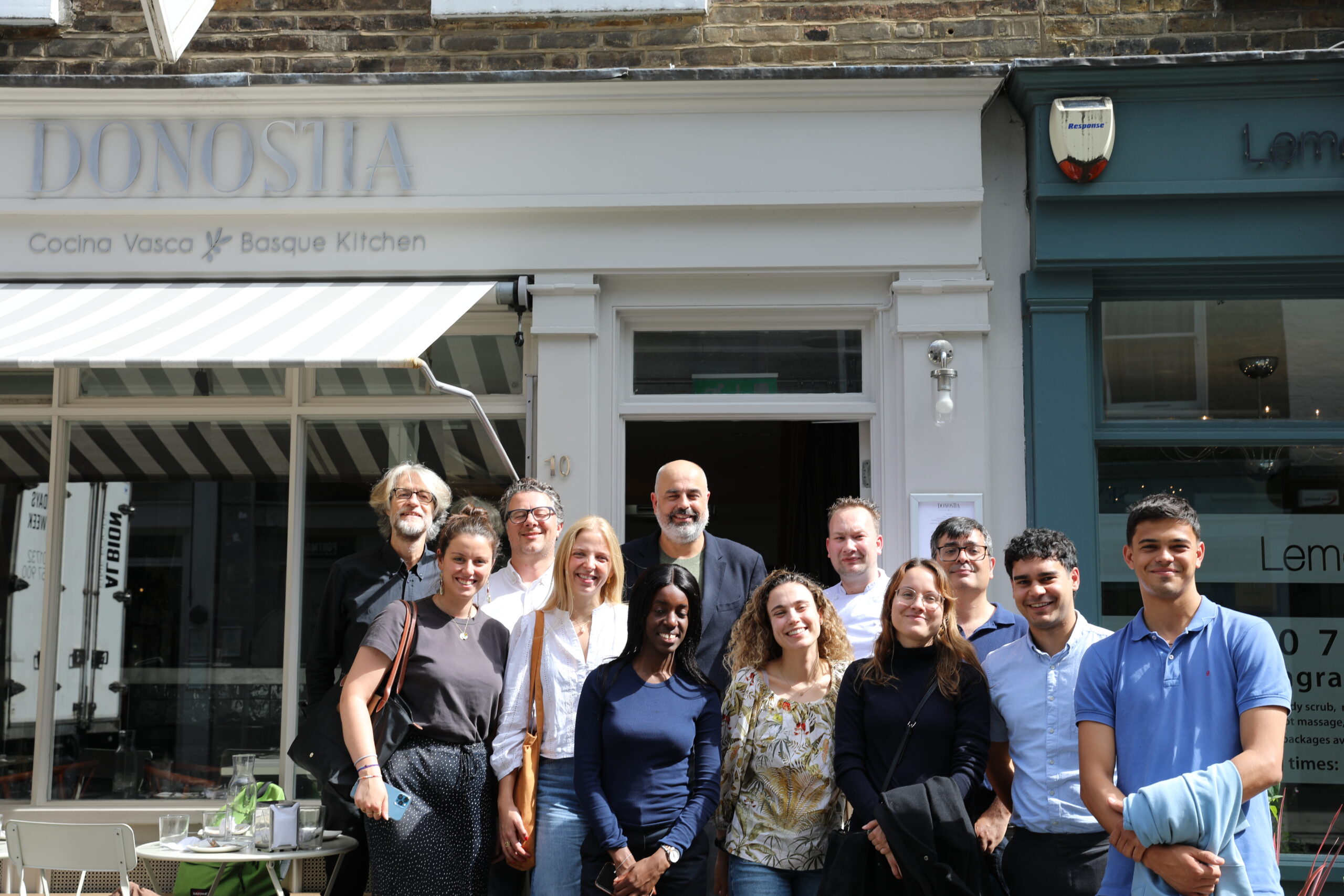
    Our first stop was Donostia, located less than 10 minutes on foot from our office, in the heart of Marylebone. Donostia, which is also the Basque name of the city of San Sebastián, serves Basque pintxos and tapas. We had the opportunity to try five different types of croquetas at their cosy terrace. Our Team was pleasantly surprised by the variety of flavours at this restaurant, which featured some of the most popular ingredients in Spanish cuisine.  

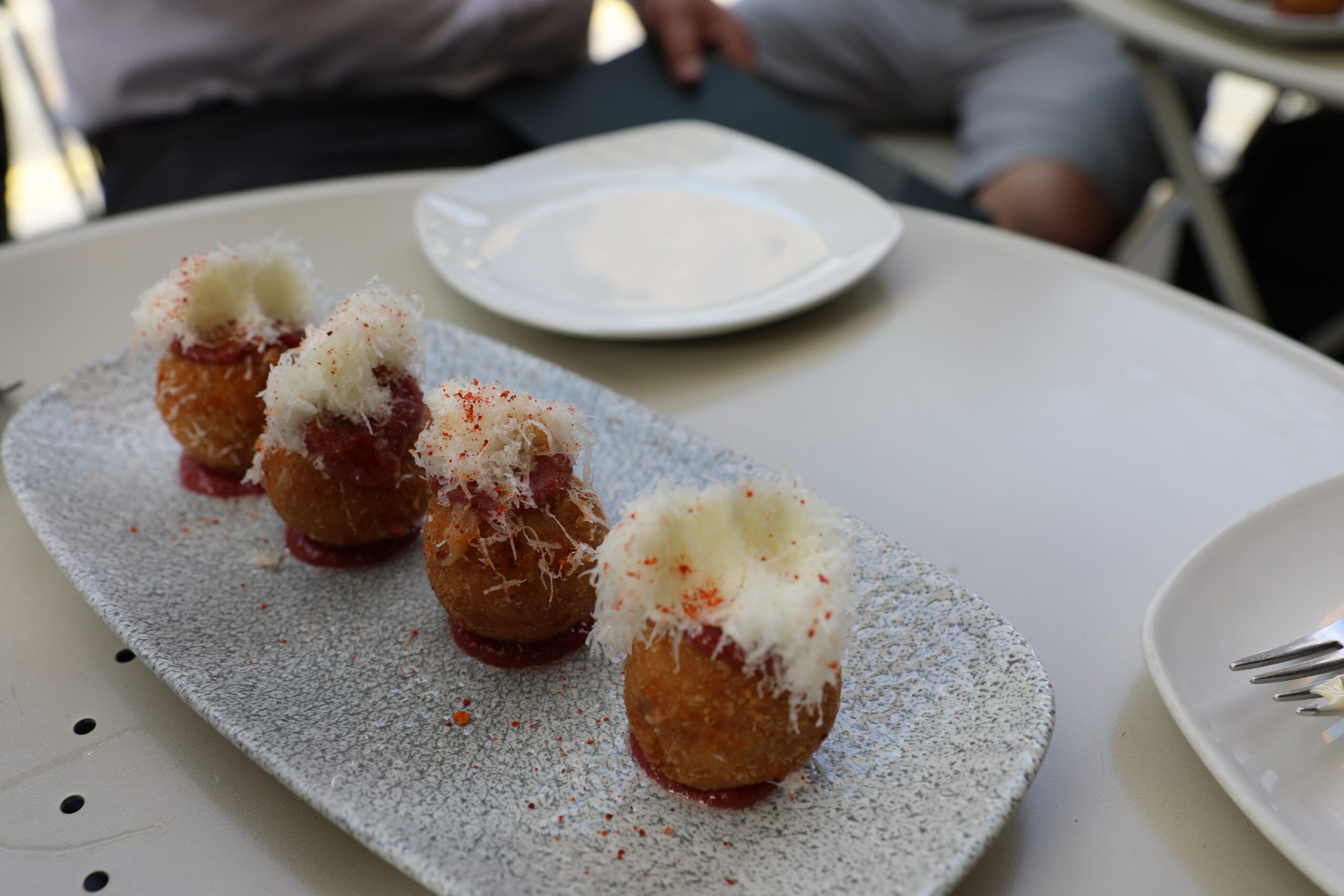
    We enjoyed the classic Ibérico ham croquetas, chorizo croquetas, and even one filled with an exceptional mix of cheese and dulce de membrillo— made with a fruit called quince in English and membrillo in Spanish.  We also tried their octopus croquetas and the very Basque txuleta croqueta, which is a premium cut of expertly grilled beef. 

    EL PIRATA 

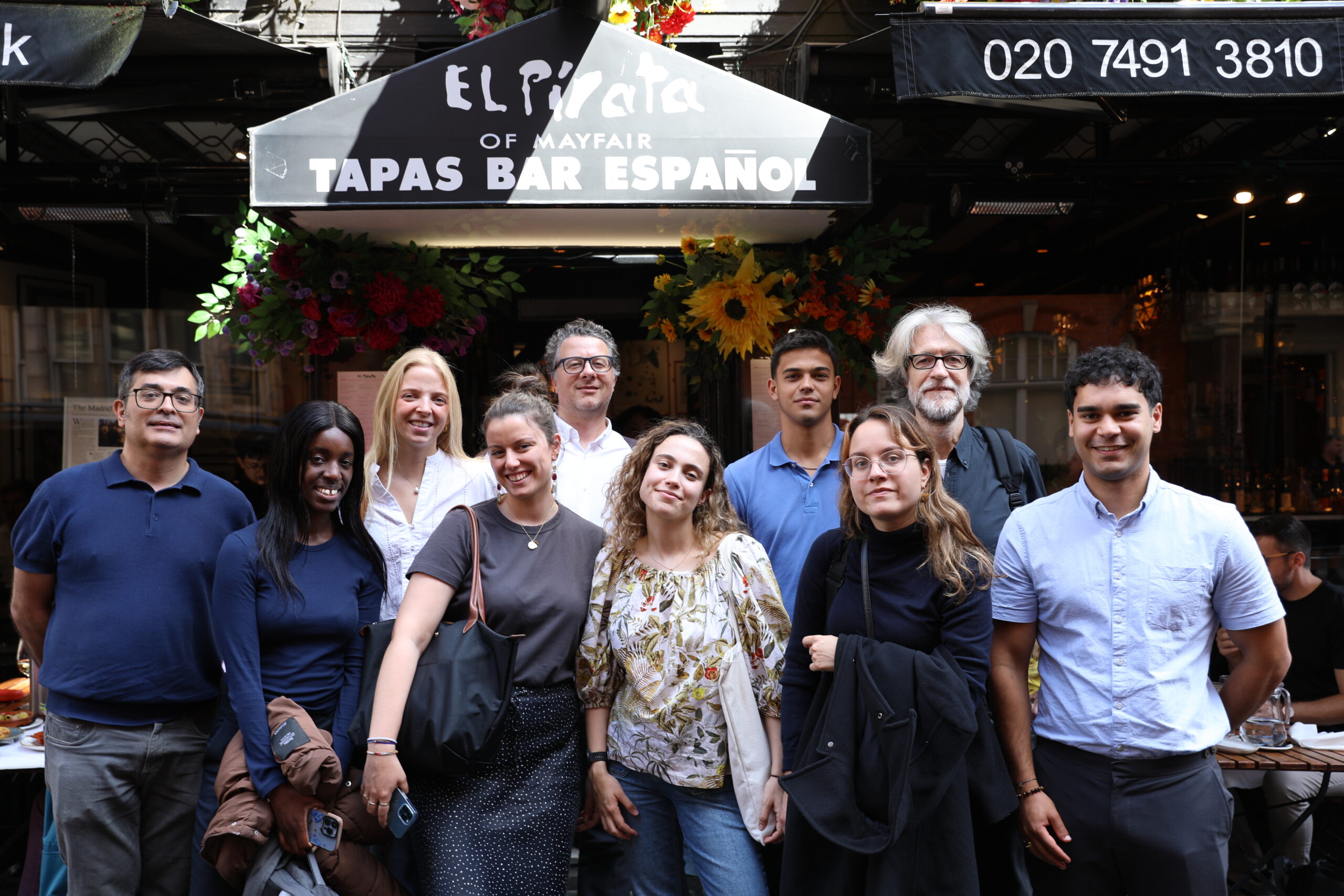
    Next, we headed to El Pirata in Mayfair, where we had the chance to spend time in their charming basement—a space that exudes a Spanish traditional atmosphere. Our Team savoured the chicken croquetas, Ibérico ham croquetas, as well as the chipirón (squid) and mushroom options. The food was paired with very good wine; indeed, El Pirata has a cellar of more than 100 kinds, hailing from Spain and beyond. 

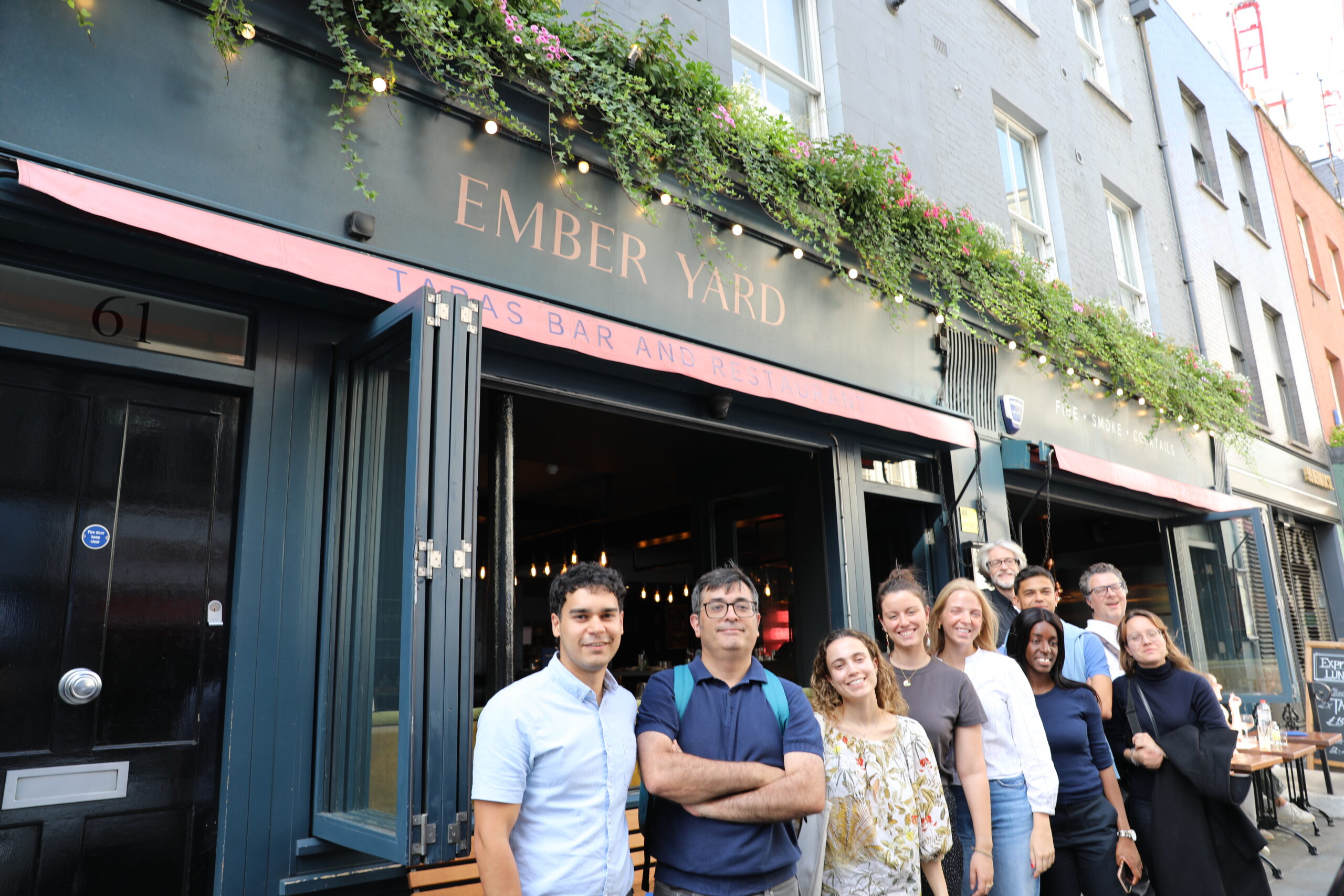
    EMBER YARD 

    Our third stop was Ember Yard, a hip and elegant venue in Soho, which brings the unforgettable flavours of traditional Spanish and Italian cuisine to London. Here, we tried the ham and Manchego cheese croqueta. Manchego is a cheese made from the milk of Manchega sheep, a distinctive breed raised in the vast fields of the La Mancha Region, in Central Spain. The cheese can be aged between 60 days and 2 years, and it is one of Spain’s most famous products worldwide.  

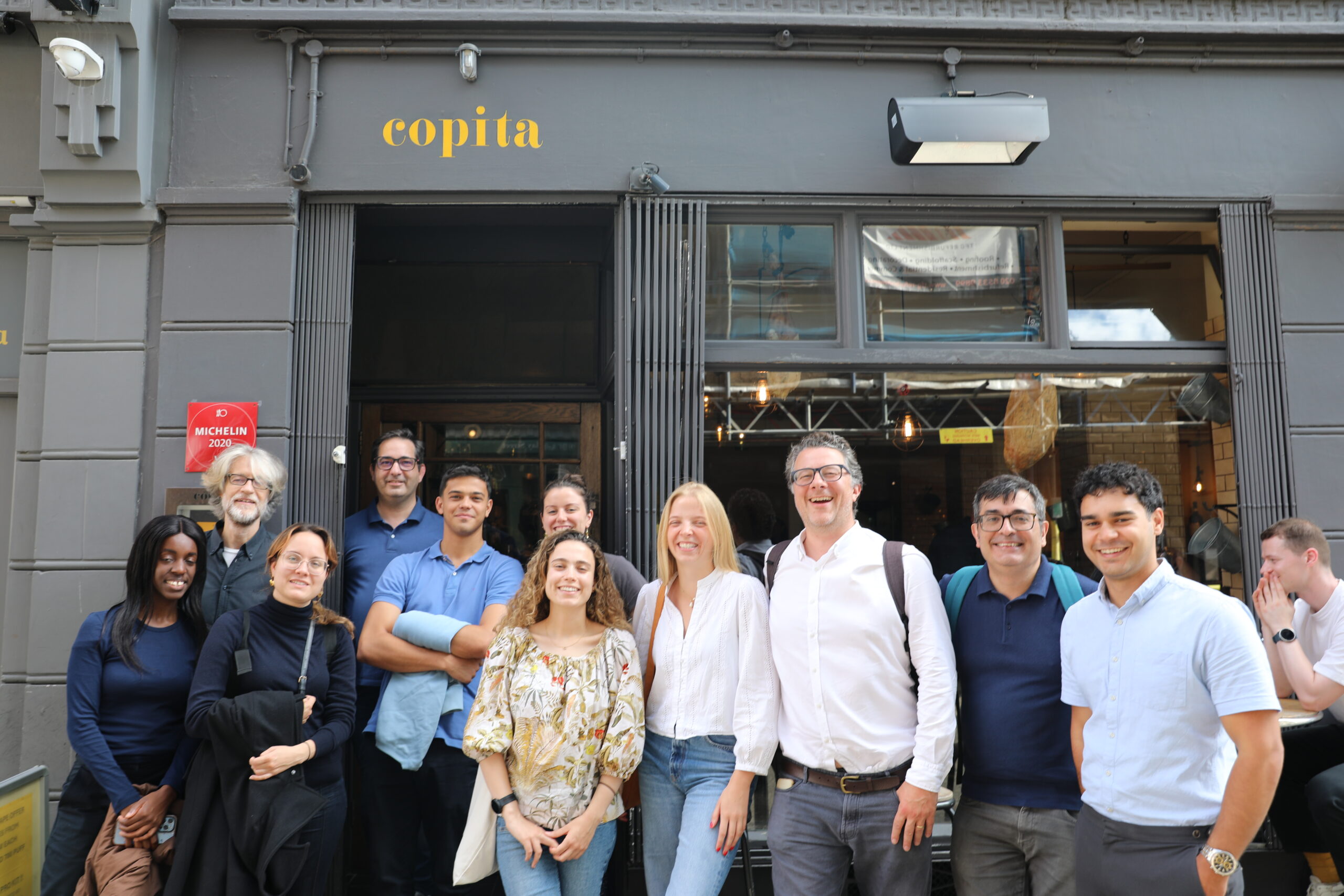
    COPITA 

    Then, we visited Copita, an authentic Spanish bar for “chatear”— this Spanish expression means “enjoying drinks, mostly wine, and small bites in a relaxed, setting”. We had the chance to try two varieties of croquetas: the first we tasted were filled with flavourful mushrooms, and the second kind were an interesting, very English spin on croquetas, as they were made with leek and cheddar cheese.  

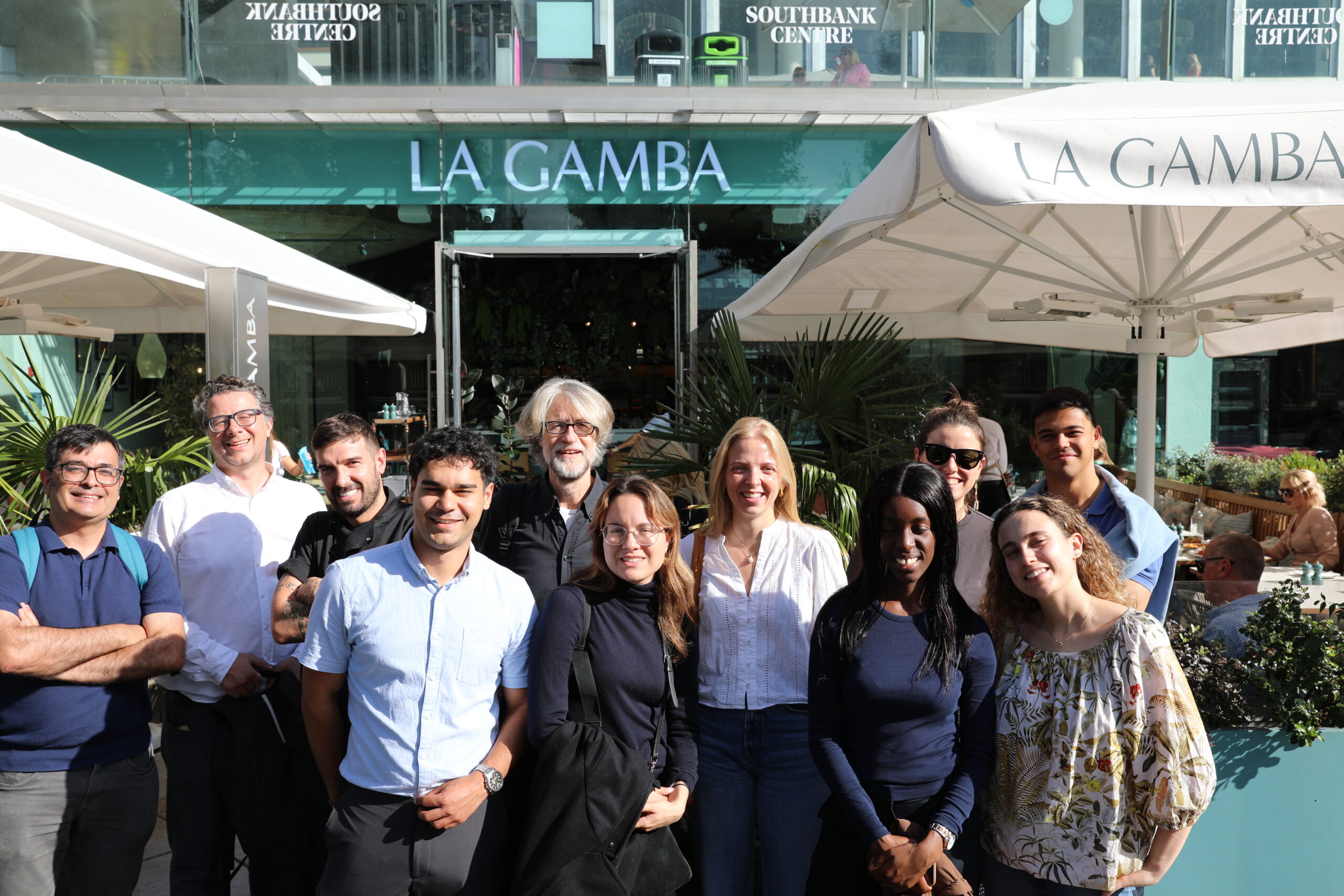
    LA GAMBA 

    La Gamba, “the shrimp” in Spanish, located in the South Bank, was the final stop of our tour. After a pleasant walk through central London, we were ready to enjoy even more croquetas. We tasted the Cornish crab and squid ink croquetas, which were beautifully presented, along with the perfectly crisp Ibérico ham croquetas.  

    We enjoyed the croquetas with very good white and rosé wines, and to end on an even better note we tasted their Burnt Basque Cheesecake, a staple Spanish dessert. La Gamba boasted spacious and elegant interiors, designed by Cristina Lanz, and a terrace which overlooked the Thames River. Not to be missed! 

    All in all, it was a beautiful and above all, very flavourful occasion to enjoy some of the best high quality Spanish food central London has to offer. Next year we will undoubtedly come back for more in order to keep this tradition alive! Thanks to the restaurants that hosted us, and to the incredible Chamber Team who completed our III Croquetas Tour.  


    Blog post written by Andrea Minssart, Sophie Ziliukas and Laura Garrido.

  • Waves of innovation: navigating technological advances and new challenges

    Waves of innovation: navigating technological advances and new challenges

    Veridas, a Patron Member of the Spanish Chamber of Commerce in the UK, encourages us to keep in mind the challenges that come with new technologies. The company, specialised in digital identity verification, explores in this post how to address these challenges when working with AI.  

    BLOG POST WRITTEN BY JORDI TORRES, EMEA GENERAL MANAGER AT VERIDAS, PATRON MEMBER OF THE CHAMBER 

    With the end of summer on the horizon, many are taking the last opportunities to enjoy the beach, surf, or simply reflect on what’s to come. Just as surfing requires constant balance to stay upright, the current technological advancements demand careful management to reap their benefits without losing direction. 

    Milestones in the history of innovation 

    From the invention of money around 1500 B.C., to the creation of the mobile phone in 1973, and the arrival of the iPhone in 2007, the history of humanity has witnessed numerous waves of innovation. Recently, the launch of ChatGPT in 2022 marked a new chapter in this trajectory, positioning generative artificial intelligence as one of the most transformative forces of our time. 

    Each of these milestones has triggered significant changes in the way we live and work. Today, generative AI is shaping entire industries, redefining service personalization, operational automation, and data-driven decision-making. However, along with these advantages come new challenges that we cannot ignore. 

    The challenge of fraud in the era of generative AI 

    In the past year, we have seen an alarming increase in identity fraud, particularly regarding voice and face forgeries. Technologies like deepfakes allow voices and faces to be replicated with such precision that it becomes nearly impossible to discern the real from the fake. Between 2022 and 2023, cases of fake voices multiplied tenfold, underscoring the urgent need to improve our defences against such threats. 

    In the past, a person’s voice was a sure sign of authenticity. Today, technology allows for such convincing imitations that merely relying on what we hear is no longer sufficient to protect ourselves. 

    The relevance of AI in identity protection 

    Artificial intelligence is not just a technological trend; it has a tangible impact on our daily lives and the functioning of businesses. Biometric technologies, powered by AI, offer crucial tools to:

    • Enhance security: Through advanced identity verification measures, we can protect ourselves against the growing risk of fraud.
    • Personalise services: By tailoring services to the specific needs of each user, customer satisfaction and loyalty are increased.
    • Optimize efficiency: Automating routine tasks frees up time and resources for more strategic and value-added approaches. 

    Facing the future with security 

    While you read this article, dozens of fraud attempts are being carried out worldwide, using advanced technologies to impersonate identities. It is a reminder that while technological advances offer great opportunities, they also present significant risks that we must manage with caution. 

    In this dynamic environment, it is crucial to stay vigilant and adopt solutions that not only allow us to leverage new technologies but also ensure that our digital interactions are safe and trustworthy. The key is to find the right balance between innovation and protection, to avoid being swept away by the wave of fraud that threatens to destabilize our achievements. 

  • RECLAIM YOUR CALM AND FOCUS THIS SUMMER WITH MINDFULNESS

    RECLAIM YOUR CALM AND FOCUS THIS SUMMER WITH MINDFULNESS

    Nieves Rodríguez, Founder of Fastracktorefocus and Member of the Spanish Chamber of Commerce in the UK, emphasizes the importance of disconnecting and relaxing during the summer, especially as we approach August, a month when many of us are on vacation. As an executive coach and mentor, Nieves explains the benefits of incorporating mindfulness into your business, including reduced stress and enhanced focus, creativity, and well-being, among other advantages. 

    BLOG POST WRITTEN BY CHAMBER MEMBER FASTTRACKTOREFOCUS 

    In recent years, technology has brought unprecedented convenience to our lives, accelerating our pace and deepening our dependence on time. However, it has also led to a loss of calm, focus, and attention. As a result, you might feel like you’re not achieving your goals, your to-do list is growing, and you’re struggling to find the information you need or respond to all your messages. Your well-being, along with your personal and professional relationships, might be plummeting, leading to frustration. 

    How can you achieve success without sacrificing your peace of mind? 

    Believe it or not, the key to making sound decisions while maintaining your composure lies in effectively managing your time and attention. Today, the practice of mindfulness (attention to the present moment) is crucial for achieving better results without the stress of daily work. Harvard University highlights that mindfulness is a basic skill for today’s leaders. 

    This summer is the perfect time to work on your mind and return to work with calm, tranquillity, and focus. I’m excited to introduce my new book, Mindfulness in the Digital Age, a must-read for highly effective leaders, entrepreneurs, and busy individuals. This book offers practical advice to help you develop the attention and focus necessary for mental calm, leading to better results with less effort. 

    Why Mindfulness? 

    • Reduce Stress: Mindfulness helps you recognize stress triggers and manage your reactions more effectively. By practicing mindfulness, you can lower cortisol levels, reduce anxiety, and promote a sense of inner peace. This allows you to handle high-pressure situations with a clear and calm mind, enhancing your overall well-being. 
    • Increase Focus and Clarity: In a world full of distractions, mindfulness trains your brain to stay present and focused on the task at hand. This heightened state of awareness improves your cognitive functions, enabling you to make better decisions, solve problems more efficiently, and maintain a sharper mental acuity. 
    • Boost Productivity: When you are fully present, you can work more efficiently and effectively. Mindfulness reduces the mental clutter that often leads to procrastination and multitasking, allowing you to prioritize your tasks better and complete them with higher quality and speed. 
    • Enhance Creativity: By clearing your mind of unnecessary thoughts and worries, mindfulness creates space for new ideas and innovative thinking. It encourages a state of open-mindedness and curiosity, fostering a creative environment where groundbreaking ideas can flourish. 
    • Develop Leadership Skills: Effective leadership requires empathy, active listening, and emotional intelligence. Mindfulness enhances these qualities by promoting self-awareness and compassion, enabling you to connect with your team on a deeper level and inspire them through authentic and mindful leadership. 
    • Manage Change: In today’s fast-paced business environment, change is inevitable. Mindfulness equips you with the resilience and adaptability needed to navigate change gracefully. By staying grounded in the present moment, you can approach transitions with a calm and positive mindset, turning challenges into opportunities. 
    • Improve Well-being: Prioritizing your mental and physical health is essential for long-term success. Mindfulness practices, such as meditation and mindful breathing, reduce stress-related symptoms and improve overall health. This leads to a more balanced life, where you can enjoy your achievements without compromising your well-being. 

    We must demystify mindfulness; it’s not about retreating to a cave. It’s about being here and now, fully present, with attention and focus. Can you imagine the personal and professional results you can achieve? 

    Introducing mindfulness into your business is the best gift and investment you can make for your team. Invest in something that a fire cannot take away: your development and peace of mind. 

    Nieves’ book Mindfulness in the Digital Age is available on Amazon in both English and Spanish. 


  • Paella Fella in Parliament: Our pride at catering for ‘A Taste from across mid Sussex’

    Paella Fella in Parliament: Our pride at catering for ‘A Taste from across mid Sussex’

    BLOG POST WRITTEN BY CHAMBER MEMBER PAELLA FELLA

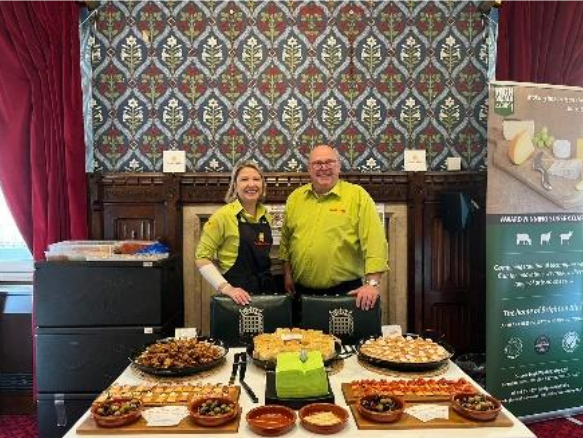
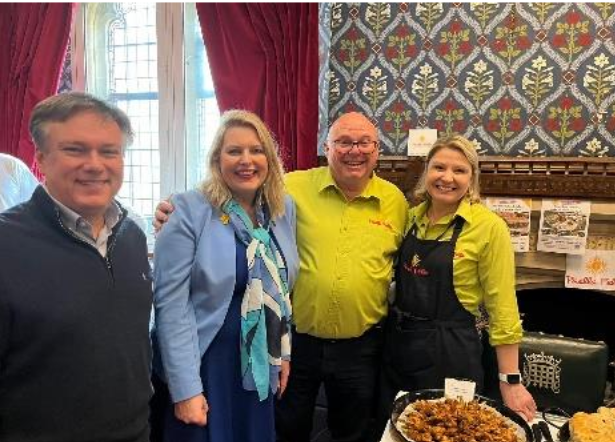
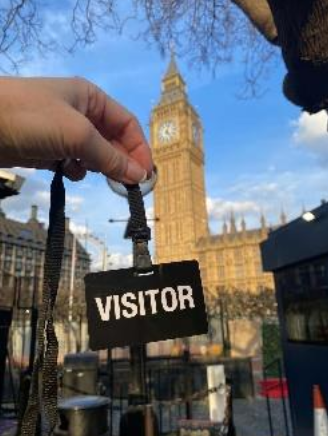
    On 20th March, Paella Fella was privileged to be invited by Mims Davies MP to showcase our traditional Spanish catering at the ‘A Taste from Across Mid Sussex’ food and drink event at the Houses of Parliament. 

    The aim of the event was to showcase the breadth of incredible, hard-working small businesses across Mid Sussex and to highlight the importance of shopping locally and supporting these businesses.  

    Paella Fella has been cooking up traditional Spanish food since 2009 and can certainly testify to the importance of having a loyal customer base.  Furthermore, we source many of our ingredients from local farms and suppliers, alongside the traditional Spanish ingredients used in our menu, to pass forward this ethos of supporting other small businesses in our area.  We believe that we can thrive together! 

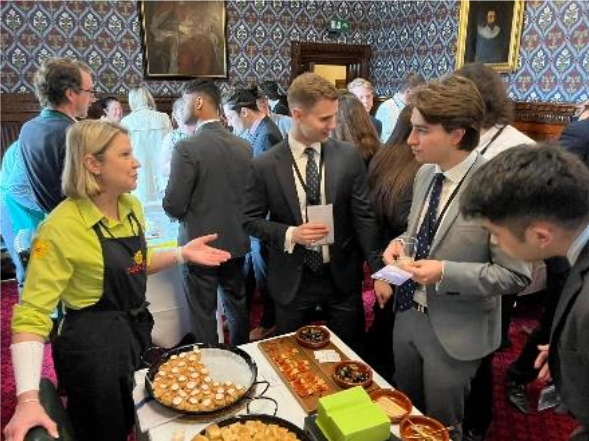
    But on to the serious business of the food… we served a selection of our tasty tapas bites including chicken pinchos, mackerel profiteroles, goat’s cheese & beetroot picatostes, romesco picatostes, our own artisan rosemary & rock salt focaccia and Spanish olives. 

    It was a truly fantastic experience, and a real honour to be invited to attend.  

    These past few years have seen some turbulent times for caterers as we have navigated coming out of the pandemic, and we’re not out of the woods yet.  Events such as these are so important to promote small businesses and remind people of the value of shopping locally. We can’t wait for the next one!  


  • BOVÉ MONTERO Y ASOCIADOS CONCLUYE PLAN ESTRATÉGICO CON IMPULSO DEL DEPARTAMENTO BUSINESS INNOVATION

    BOVÉ MONTERO Y ASOCIADOS CONCLUYE PLAN ESTRATÉGICO CON IMPULSO DEL DEPARTAMENTO BUSINESS INNOVATION

    BLOG POST WRITTEN BY CHAMBER MEMBER BOVÉ MONTERO Y ASOCIADOS


    • Dirigido por la ingeniera industrial Mónica Bové, el departamento de Business Innovation integra perfiles vinculados a la ingeniería, la informática, la física y el análisis de datos.
    • Desde el área de consultoría digital dará cobertura a todo el territorio nacional desde las oficinas de Madrid, Barcelona, Palma de Mallorca, Sevilla y Valencia.
    • José María Bové (presidente): “Potenciamos el crecimiento orgánico en un ámbito que ofrece un elevado potencial de desarrollo y que, además, constituye un pilar fundamental para la competitividad empresarial”.
    • La firma cerró el último ejercicio fiscal con un volumen de negocio de 11,8 millones de euros (+17%).


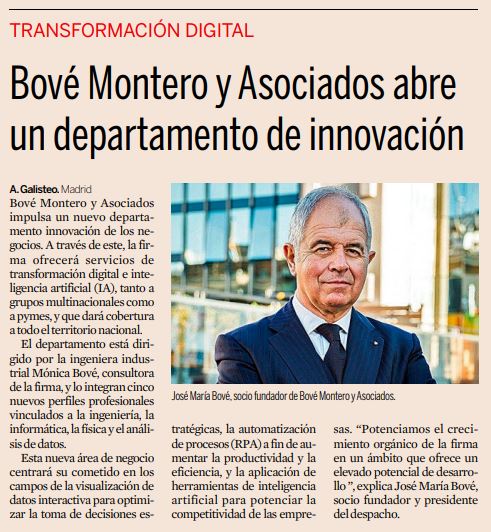
    La firma española de servicios profesionales Bové Montero y Asociados ha completado su plan estratégico con el impulso del nuevo departamento Business Innovation, que ofrecerá servicios de transformación digital e inteligencia artificial (IA) tanto a grupos multinacionales como a pymes y que desde el área de consultoría dará cobertura a todo el territorio nacional desde las oficinas que el despacho presidido por el economista, abogado y auditor José María Bové cuenta en Madrid, Barcelona, Palma de Mallorca, Sevilla y Valencia.

    El directivo explica que “potenciamos el crecimiento orgánico de la firma en un ámbito que ofrece un elevado potencial de desarrollo y que, además, constituye un pilar fundamental para la competitividad empresarial”. El departamento está dirigido por la ingeniera industrial Mónica Bové y lo integran perfiles profesionales vinculados a la ingeniería, la informática, la física y el análisis de datos.

    Tras un lustro caracterizado por la digitalización de servicios clave y la modernización de herramientas internas y, como también indica el presidente de la firma, ante “el creciente interés de nuestros clientes en incorporar la revolución tecnológica en sus negocios y actividades”, el departamento Business Innovation centrará su cometido en los campos de la visualización de datos interactiva para optimizar la toma de decisiones estratégicas, la automatización de procesos (RPA) a fin de aumentar la productividad y la eficiencia, y la aplicación de herramientas de Inteligencia Artificial para potenciar la competitividad de las empresas.

    Bové Montero y Asociados cerró el último ejercicio fiscal con un volumen de negocio de 11,8 millones de euros o, considerado desde un punto de vista porcentual, con un aumento del 17%.

    __________________________________________________________________

    Bové Montero y Asociados, con una trayectoria de 46 años, es una firma de servicios profesionales que cuenta con un equipo de 150 profesionales capaz de atender las necesidades de sus clientes en siete idiomas. Su experiencia en el mercado internacional le permite asesorar a empresas extranjeras pertenecientes a importantes grupos internacionales y acompañarlas en su actividad empresarial a través de sus cinco oficinas en España: Madrid, Barcelona, Palma de Mallorca, Sevilla y Valencia.

    Bové Montero y Asociados es miembro de HLB International, una red global de auditores y asesores con presencia en 160 países. Sus miembros son firmas líderes en sus respectivos países y proporcionan una amplia gama de servicios, especialmente en el ámbito internacional, con un denominador común: servicio personalizado y de máxima calidad.

    Para más información: Sergi Cañisà – Roser Alcocer

    Intermèdia Comunicació – Tel. 934157662

    scanisa@intermedia.es

  • CALL FOR THE 2024 SRUK/CERU EMERGING TALENT AWARD

    CALL FOR THE 2024 SRUK/CERU EMERGING TALENT AWARD

    This year marks the ninth edition of the SRUK/CERU Emerging Talent Award, a prize that recognizes the career of a young Spanish researcher working in the United Kingdom.

    This initiative, led by the Society of Spanish Researchers in the United Kingdom (SRUK/CERU) with the support of Fundación Banco Santander, aims to support research talent and promote the commitment of institutions and companies to Spanish science both within and outside our borders.

    Applications are open until 21st April.

    London, April 16th 2024.
    The Society of Spanish Researchers in the United Kingdom (SRUK/CERU) and Fundación Banco Santander present the ninth edition of the SRUK/CERU Emerging Talent Award. This award aims to promote the talent of early-career Spanish researchers beyond our borders while contributing to the career development of the awardee. The application period is open until April 21, 2024. In addition to a monetary award of £14,000, the awardee will receive the traditional commemorative sculpture made by Spanish artist Cristina Iglesias.

    This initiative recognises and supports the careers of young Spanish researchers based in the United Kingdom. The SRUK/CERU Emerging Talent Award is pioneering in recognizing the valuable work of Spanish researchers abroad. Previous editions have awarded researchers such as Prof Eva Hevia (University of Strathclyde – University of Bern), Prof Xavier Moya (University of Cambridge), Prof David Fairén (University of Cambridge), Prof Marc Vendrell (University of Edinburgh), Prof Susana García López (Research Centre for Carbon Solutions, Heriot-Watt University), Dr Rodrigo Ledesma Amaro (Imperial College London), Dr
    Nuria Tapia Ruiz (Imperial College London), and Dr Roser Vento Tormo (Wellcome Sanger Institute, University of Cambridge). Mr Borja Baselga, director of the Santander Bank Foundation, remarked “At Fundación Banco Santander, we are pleased to collaborate on this project that will help strengthen scientific collaborations between the United Kingdom and the European Union, promoting the development of policies that support research, development and innovation, and giving visibility to the research of European scientists in the United Kingdom, both in the scientific community and in the general population”.

    Ms Irene Echeverria Altuna, President of SRUK/CERU, points out that “this award highlights the importance of international and interinstitutional collaborations in science and innovation. We are very proud to be able to recognise and support the outstanding career of Spanish researchers in the United Kingdom and thereby bring their research closer to the citizens of both countries”.

    Among the main requirements for candidates to the award are holding Spanish citizenship, being a member of SRUK/CERU, being under 40 years old, having obtained a doctoral degree in the last 10 years, and having developed their research career for at least the last three years in the United Kingdom. The award´s guidelines aim to reward the most talented researchers, but also recognise the importance of not penalizing candidates for professional interruptions, such as maternity leave, illness, or caregiving.

    Applications will be evaluated by a committee of renowned researchers appointed for this purpose. Once the evaluations are received, the awarding of the 2024 SRUK/CERU Emerging Talent Award will be ratified by an honorary jury formed by the SRUK/ CERU President, representatives of the Fundación Banco Santander, and members of other collaborating entities.


    The call for applications and more information about the SRUK/CERU Emerging Talent Award can be found here.

    Web: http://www.sruk.org.uk
    F: http://www.facebook.com/comunidad.ceru
    T: @ComunidadCERU

  • EVOLUTION BY POLARIS: AN IMMERSIVE PERSONAL DEVELOPMENT EVENT

    EVOLUTION BY POLARIS: AN IMMERSIVE PERSONAL DEVELOPMENT EVENT

    BLOG POST WRITTEN BY CHAMBER MEMBER NIEVES RODRÍGUEZ


    Imagine life as a car journey towards fulfillment, but not everyone reaches their destination. The reasons are diverse and include four main obstacles that prevent many people from living fully: 


    1.  Lack of Direction: Just like a driver who doesn’t know where they are going, many people do not have a clear idea of what they really want in life. This lack of vision or purpose prevents them from setting goals and moving towards them.
    2.  Lack of Knowledge of the Way: There are those who know where they want to go, but do not know the way to get there. Not knowing the strategies and steps needed to achieve their goals can be a major obstacle. 
    3.  Blockages and Handbrake Engaged: Even when the destination and the way are known, emotional blockages and limiting beliefs act like a handbrake that keeps people stuck in the same place, preventing them from moving forward.
    4.  Lack of Energy – The Empty Fuel Tank: Finally, without energy, it is impossible to undertake and sustain the journey. Lack of motivation, physical or emotional vigor can leave people without the necessary impulse to start or continue their path to fulfillment. 


    Following the success of its first meeting in January, EVOLUTION returns with high-impact techniques and immersive experiences, setting a milestone as the first and only personal development event that combines both. This event is not only designed to help participants find their direction and overcome their blockages, but it also provides them with the necessary tools and vital energy to carry out their personal transformation. 

    EVOLUTION invites you to embark on a transformative journey where you can explore and maximize your potential. With guidance from experts in personal development, attendees will learn to unlock their true power and direct their energy towards achieving their most ambitious goals. Additionally, the event reaffirms its social commitment by donating 5% of each ticket to the Aladina Foundation, supporting children in their fight against cancer. 

    This unique journey will not only change lives but will also contribute to a greater cause, creating a positive impact both on attendees and the community. Don’t miss the opportunity to be part of this unique experience: EVOLUTION, where every step of the way is designed to lead you to the life you dream of and deserve. Are you ready to take the wheel and steer towards your dreams?

    Visit https://polarismission.com/ to secure your spot today. Transform your life, transform the world.

  • ECONOMIC OUTLOOK FOR 2024: WEBINAR BY THE SPANISH DIRECTORS ASSOCIATION

    ECONOMIC OUTLOOK FOR 2024: WEBINAR BY THE SPANISH DIRECTORS ASSOCIATION

    Blog post written by Ignacio Perinat

    A few weeks ago, the Spanish Chamber of Commerce in the United Kingdom attended a webinar organised by the Spanish Directors Association on the macroeconomic trends and perspectives for 2024. The panel of experts, moderated by Xavier Brossa, vice-president of the AED, was comprised of José Manuel González-Páramo, current professor at IESE and member of the Executive Committee of the European Central Bank from 2004 to 2012 (among other notable positions), and Sofía Rodríguez, Chief Economist of Banco Sabadell. The academic and professional background of the speakers undoubtedly promised a very instructive and insightful session. 

    Firstly, both experts agreed that 2024 will be a “year of transition”: positive, albeit modest, growth rates are expected, and inflation will tend to decrease due to the “monetary tightening” caused by high interest rates since mid-2022. However, they also emphasised that these relatively optimistic expectations should not overshadow other increasingly growing risks. On the one hand, both speakers pointed out that the main vulnerability of the Spanish economy is the fragile political stability in the country, which has a considerable impact on fiscal stability. Therefore, special attention must be paid to political crises at an internal level, as well as to relations and negotiations between Madrid and Brussels. On the other hand, the consulted experts also mentioned that geopolitical uncertainty and tension are increasingly having a greater impact on national economies, mainly due to disruptions in global trade flows and supply chains. However, the experts did not agree on the extent to which geopolitics will affect the battle of central banks against inflation. 

    The second section of the webinar covered the cyclical and structural challenges and opportunities for the Spanish economy. José Manuel González-Páramo indicated that the optimisation of NextGeneration funds will be key to post-pandemic economic recovery. He also highlighted that both the economic and social progress of Spaniards largely depends on finding solutions to one of their major burdens for almost three decades: the stagnation of productivity. To resolve this, structural reforms in areas like education and labour regulation are strictly necessary, as they would help the average worker increase their per capita income and, consequently, their well-being. Sofía Rodríguez, on the other hand, reiterated her great concern about certain geopolitical and inflationary issues. She warned that the behaviour of the Chinese economy, and its real estate market in particular, will have a considerable effect on the evolution of the world economy, which Spain is inextricably linked to. Furthermore, she attributed her concerns about combating “the last mile” against inflation to the continuous rise in wages and commercial and geopolitical tensions in the Middle East, the latter especially in relation to the energy market. However, one aspect that both José Manuel and Sofía coincided in was the importance of fiscal discipline: adopting new rules to address the structural deficit will be a “central issue” in 2024. 

    Other relevant topics that were discussed in the webinar were the labour market and artificial intelligence (AI). Both experts indicated that a slowdown in job creation is expected in 2024 after a notable resilience of the labour market up to now. However, it was also highlighted that the turnover rate in this market remains relatively high, around 3%, and that proposed public policies, such as reducing the maximum working hours per week to 37.5, must be accompanied by compensatory measures to avoid job destruction. Regarding artificial intelligence, Sofía Rodríguez called for caution and indicated that it is still too early to have a qualified opinion on it with respect to the Spanish economy. However, she did underline that the economists’ consensus points to AI being a tool that will have a positive impact on productivity, albeit in an asymmetric way depending on sector or income, among other factors. Sofía also took the opportunity to remind the audience of the non-economic impacts of this new technology; more specifically, she commented that “it seems that AI will produce plausibility, but it will not necessarily bring us closer to the truth.” José Manuel González-Páramo focused more on the “human inputs” that will be required to control the advancement of AI, from intellectual property laws that allow algorithms to be properly trained to regulations that allow sustained economic growth in our societies. 

    In general, the insights provided by both speakers were of no surprise to the audience, although their explanations were substantially valuable to reach a deeper understanding of both the current economic trends that influence us and the economic situation that awaits us. It is therefore necessary to highlight and appraise the great educational work that both economists carried out on 11th January, which we at the Spanish Chamber of Commerce in the United Kingdom greatly appreciate.

Este sitio web utiliza cookies para que usted tenga la mejor experiencia de usuario. Si continúa navegando está dando su consentimiento para la aceptación de las mencionadas cookies y la aceptación de nuestra política de cookies, pinche el enlace para mayor información.plugin cookies

ACEPTAR
Aviso de cookies